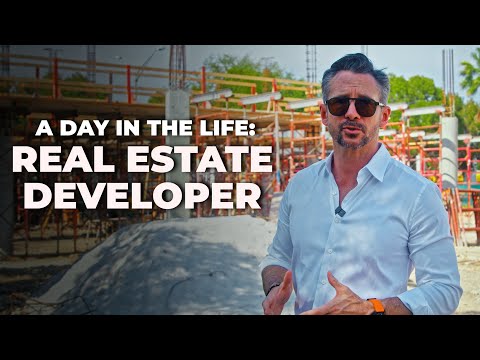
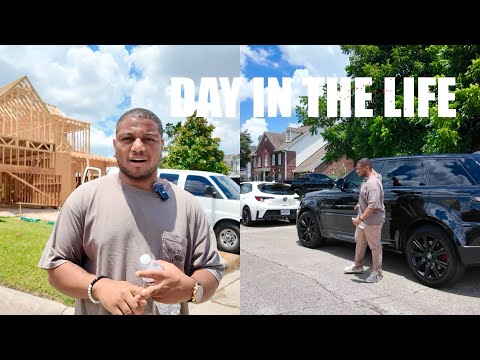
Photo: PattayaPatrol (CC BY-SA 4.0)
Job description
A developer scouts sites for residential, commercial, or mixed-use projects, then secures loans or investors and works through the maze of zoning approvals and permits with local government. Once construction starts, they coordinate architects, engineers, and contractors to keep the project on budget and on schedule, absorbing the financial risk personally since income is usually tied to a project's profitability rather than a salary. Permitting delays and shifting financing conditions mean plans rarely go exactly as scheduled.
Pros
- Very high upside earning potential, up to $300k, since income is often tied to project profitability
- Broad, hands-on role spanning finance, design, construction, and sales rather than one narrow skill
- Tangible, visible results: a finished building or property you can point to
Cons
- Long, demanding hours are common
- Projects tie up significant capital and take months or years, carrying real financial risk
- Timelines and budgets shift constantly due to permitting delays, financing conditions, and construction setbacks
A typical day
The morning starts on a job site in a hard hat: the mixed-use project is two weeks behind on steel, and the developer works the schedule with the general contractor before the bank's construction inspector arrives to approve the next draw. Late morning is a zoning call with land-use attorneys about the next site — the one that's still just a parking lot and a pro forma. Lunch is with an equity partner who needs convincing that retail on the ground floor still pencils. The afternoon runs the numbers again as construction pricing moves, then a community meeting at 6pm where neighbors have sharp questions and the developer needs real answers. Vision, patience, and other people's money, orchestrated for years per project.
Tasks at the job
- Identify and evaluate potential sites for residential, commercial, or mixed-use projects.
- Secure financing, investors, or loans to fund land acquisition and construction.
- Coordinate architects, engineers, and contractors through the design and permitting process.
- Negotiate with local governments over zoning, approvals, and permits.
- Oversee construction timelines and budgets from groundbreaking to completion.
- Market and sell or lease finished properties, or oversee brokers who do.
Workplace & working conditions
Work happens indoors in an office setting for planning and finance, and on-site at active construction projects.
Projects take months or years to complete and tie up significant capital, so decisions carry real financial risk and require independent judgment about market timing. Deadlines and budgets shift constantly with permitting delays, financing conditions, and construction setbacks.
Education necessary or common
Bachelor's degree in real estate, finance, or a related field; many enter after working in construction, finance, or brokerage
Common college majors
Licenses & certifications
- State real estate license (useful, not required)
Career path
Related fields
Courses to take
- AP Economics — market cycles decide project fates
- Consumer Math/Accounting — pro formas are the core document
- AP English Language — pitching lenders, partners, and communities
- Government — zoning and entitlements are political processes
- Drafting/CAD or Geometry — reading plans and sites
Clubs, activities & competitions
- DECA — entrepreneurship events
- Model UN or debate — negotiation and public speaking
- A building-adjacent job or Habitat for Humanity volunteering
- Student government — navigating institutional processes
First steps you can take now
- Attend a planning commission meeting and watch a real project seek approval
- Build a toy pro forma: estimate what it costs to build and rent a fourplex in your town
- Walk one development site monthly and track its progress from dirt to opening
- Interview a local developer — small-town developers are often surprisingly accessible