Photo: MTA Capital Construction Mega Projects (CC BY 2.0)
Job description
Using tools like ohmmeters and voltmeters, technicians test equipment and cross-reference wiring diagrams to diagnose malfunctions, consulting engineers when a problem isn't straightforward. Isolating a defective relay often means physically opening and closing switches before making the repair, and every test and fix gets carefully documented for compliance and safety records. Much of the work happens outdoors, sometimes at heights, alongside a crew, and because errors carry serious consequences, the pace stays fast but tightly bound by procedure. Experienced technicians can move into relay protection specialist or crew lead roles.
Pros
- Strong pay floor starting at $65.7k, with top of range near $130k
- Faster than average projected job growth (5.5%) over the next decade
- Vocational training or associate's degree is enough to enter, no bachelor's required
Cons
- Only about 2,000 jobs nationwide, so opportunities are limited to utility employers
- Regular exposure to hazardous, high-voltage equipment and working at heights
- Mistakes can have serious consequences, so accuracy under time pressure is constant
A typical day
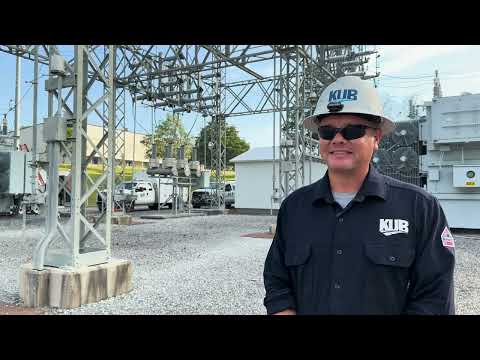
Nothing at a substation happens casually: the day's relay testing job starts with a tailboard briefing — the switching order reviewed step by step, grounds planned, every hazard named aloud — because the equipment here operates at voltages that do not offer second chances. With the bus section isolated and grounded, the crew tests the protective relays that guard the grid: injecting simulated fault currents and verifying that each relay trips at exactly its programmed thresholds, since a relay that trips slow lets equipment burn and one that trips early blacks out neighborhoods. The data gets analyzed against last year's baselines; a drifting trend on one relay earns a replacement recommendation. The afternoon holds transformer oil samples pulled for lab analysis and records updated with the meticulousness the profession demands. The pride is invisible by design: the grid stayed boring today.
Tasks at the job
- Inspect and test equipment and circuits to identify malfunctions or defects, using wiring diagrams and testing devices such as ohmmeters, voltmeters, or ammeters.
- Prepare and maintain records detailing tests, repairs, and maintenance.
- Consult manuals, schematics, wiring diagrams, and engineering personnel to troubleshoot and solve equipment problems and to determine optimum equipment functioning.
- Analyze test data to diagnose malfunctions, to determine performance characteristics of systems, or to evaluate effects of system modifications.
- Open and close switches to isolate defective relays, performing adjustments or repairs.
- Run signal quality and connectivity tests for individual cables, and record results.
Workplace & working conditions
Work happens primarily outdoors, exposed to whatever the weather is doing, and you work in close physical proximity to coworkers or the public for much of the shift. Noise levels can be distracting or uncomfortable. The role involves regular exposure to hazardous equipment or conditions and contaminants and working at heights, and specialized protective equipment is standard.
The pace is often fast, with real time pressure to meet deadlines. Mistakes can have serious consequences, so accuracy matters a lot. Almost all of the work is done as part of a team.
Education necessary or common
Vocational training, apprenticeship, or associate's degree
Licenses & certifications
- Utility apprenticeship (relay technician track)
- NETA testing technician certifications
- OSHA 10
- CDL sometimes required
Career path
Related fields
Courses to take
- Physics — E&M at the scale where it's dangerous
- Electronics/Electricity courses — fundamentals first
- Algebra II/Precalculus — three-phase power math
- Chemistry — insulation oils and materials
- Shop — hands trained on tools
Clubs, activities & competitions
- SkillsUSA electrical tracks
- Amateur radio — electrical theory in practice
- FIRST Robotics
- Utility-sponsored career days — utilities recruit early and train deep
First steps you can take now
- Learn how the grid actually works: generation, transmission, distribution
- Ask your utility about apprenticeship programs — they hire and train, with strong pay
- Get OSHA 10 and build a safety-first habit of mind
- Study basic three-phase power concepts from free utility training materials