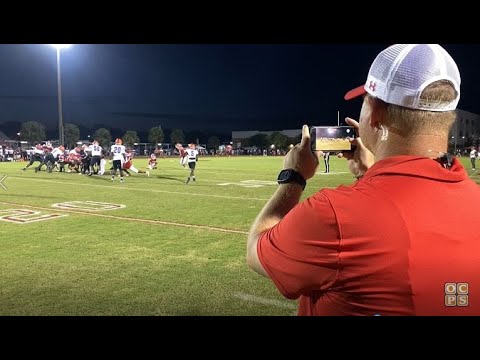
Photo: Kenneth C. Zirkel (CC BY 4.0)
Job description
The role blends office work, managing budgets that cover equipment, travel, and facilities, and scheduling games and practices across multiple teams and seasons, with hands-on presence at games and practices in gyms and on fields. Athletic directors hire, supervise, and evaluate coaches, make sure programs comply with league, state, and (at the college level) NCAA eligibility rules, and often oversee ticket sales, fundraising, or booster clubs. Evening and weekend hours are routine since games happen outside the school day, and a good chunk of the job is defusing conflicts among parents, coaches, and student-athletes.
Pros
- High upside earning potential, up to $180k
- Broad leadership role overseeing coaches, budgets, and an entire athletics program
- Mix of office work and time on the field or in gymnasiums at games and practices
Cons
- Above-average hours, with evening and weekend work routine during game season
- Regularly involves defusing conflicts among parents, coaches, and students
- Often requires a master's degree in sports management on top of a bachelor's
A typical day
The AD's door opens at 7am and the day arrives unscheduled: a bus for tonight's away game needs rerouting, a parent wants a meeting about playing time, and the baseball field's irrigation broke overnight. Structured blocks hold the real work — a budget session allocating uniform money across fourteen teams that all deserve more, an eligibility audit before the state deadline, and an interview for the open volleyball coaching job. By 3:30 the AD is at the gym door greeting officials, then working the game: supervising crowd behavior, troubleshooting the scoreboard, congratulating the seniors' families. Home by 10, with tomorrow's schedule already amended twice.
Tasks at the job
- Hire, supervise, and evaluate coaches across a school's sports programs.
- Manage athletics budgets, including equipment, travel, and facility costs.
- Schedule games, practices, and facility use across multiple teams and seasons.
- Ensure teams and programs comply with league, state, and eligibility rules.
- Oversee ticket sales, fundraising, or booster club activities supporting athletics.
- Handle disciplinary issues, parent concerns, or safety incidents involving student-athletes.
Workplace & working conditions
Work happens both indoors in an office and outdoors or in gymnasiums at games and practices, across a school's athletic facilities.
Evening and weekend hours are routine since games and events happen outside the school day. The role regularly involves defusing conflicts among parents, coaches, and students, and requires balancing competing budget and scheduling demands.
Education necessary or common
Bachelor's degree required; a master's in sports management or athletic administration is common, especially at the college level
Common college majors
Licenses & certifications
- NIAAA certifications (RAA/CAA for school athletics)
- Teaching/administrative credential (many school AD roles)
- First Aid/CPR/AED
Career path
Related fields
Courses to take
- Business or Accounting — an athletic department is a budget with bleachers
- AP English Language — policy, communication, and conflict live in writing
- AP Psychology — coaches, parents, and teenagers all need managing
- Statistics
- PE and sports-related electives
Clubs, activities & competitions
- Play a school sport and pursue captaincy
- Student athletic council or leadership committee
- Manage or keep stats/score for teams — the operations view of athletics
- Student government
First steps you can take now
- Volunteer to help run one home event start to finish: setup, gate, scoreboard, teardown
- Interview your school's AD about their week — the answer surprises most students
- Referee or coach youth sports for pay this season
- Learn the eligibility rules your state association publishes