Photo: SiddharthNarain07 (CC BY-SA 3.0)
Job description
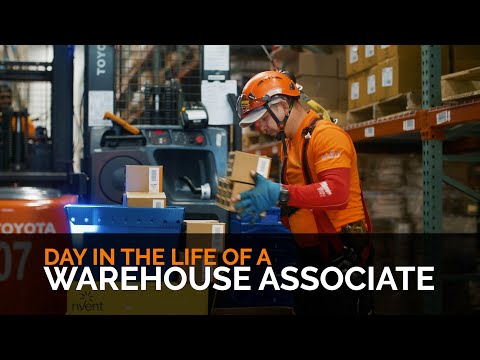
Day to day work involves operating forklifts, pallet jacks, or hand trucks to move materials through a warehouse, loading dock, or storage yard, then keeping accurate counts as inventory comes and goes. The pace often tracks shipping deadlines or peak season, with workers moving between routine sorting and stacking tasks and heavier, more time-sensitive loading pushes. The work is physically demanding and follows structured safety procedures around heavy equipment and loads, sometimes outdoors and exposed to the weather.
Pros
- Faster than average projected job growth at 4.3% over the next decade
- No formal education required, equipment and procedures are learned directly on the job
- Steady, structured work with clear safety procedures around equipment and loads
Cons
- Above-average hours are common, often exceeding a standard 40-hour work week
- Pay tops out around $63k, capping long-term earning potential
- Physically demanding work handling heavy, bulky loads, sometimes exposed to weather
A typical day
The assignment board decides the day's flavor: this morning it's the conveyor transfer station, keeping product flowing between belts, clearing the jams that ripple backward fast, and logging counts at the scanner gate. The category is a catch-all, and so is the skill set — by midday the worker has run a walkie stacker moving pallets to the mezzanine, hand-loaded a delicate equipment crate that no machine could be trusted with, and guided a flatbed's tarping and strapping in the yard. Safety choreography threads it all: spotters used, load limits respected, pedestrian lanes honored, because material moving injuries are the preventable kind. The afternoon adds a railcar unloading rotation — grain augered out on a rhythm of hatches and hoppers — and ends with housekeeping, the unglamorous habit that separates professional operations from chaotic ones. Versatility is this role's identity: the worker who can safely move anything, anywhere in the facility, is the one every supervisor requests by name.
Tasks at the job
- Operate material handling equipment such as forklifts, pallet jacks, or hand trucks.
- Load and unload trucks, containers, or storage racks.
- Sort, stack, and organize materials or inventory in a warehouse or yard.
- Follow safety procedures for handling heavy, bulky, or hazardous loads.
- Maintain accurate counts of inventory moved or stored.
- Keep aisles and work areas clear and organized.
Workplace & working conditions
Work happens in warehouses, loading docks, or storage yards, sometimes outdoors and exposed to weather.
The work is physically demanding and follows structured safety procedures around heavy equipment and loads. Pace often picks up sharply around shipping deadlines or peak season.
Education necessary or common
—
Licenses & certifications
- Forklift and powered industrial truck certifications — the essential set
- OSHA 10-Hour General Industry
- Hazmat handling training where applicable
- CDL as the natural upgrade path
Courses to take
- Physical Education — capacity and injury-resistance
- Shop class — equipment sense and mechanical safety
- Algebra — weights, counts, and capacities
- Driver's Education — clean record for equipment operation
- Computer Applications — scanners and inventory terminals
Clubs, activities & competitions
- Part-time warehouse, farm, or dock work
- Team sports — crew reliability
- SkillsUSA — material handling and logistics exposure
- Food bank warehouse volunteering — real pallet and case work
First steps you can take now
- Get warehouse or yard work at 16-18 and learn every piece of equipment they'll certify you on
- Master safe manual handling technique now — the career's foundation is a healthy back
- Learn basic load securement: straps, angles, and weight distribution
- Ask which certifications raise pay at a local facility — forklift is first, but rigging and hazmat follow