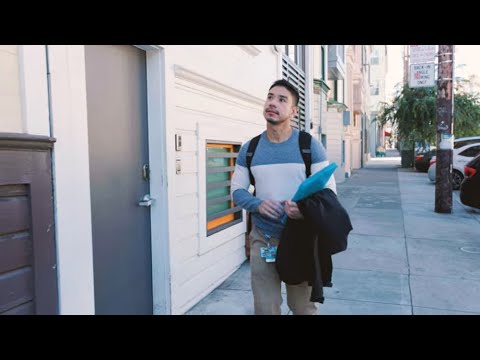
Photo: U.S. Army 19ESC by Sang Yun Kim (Public domain)
Job description
A typical case starts with meeting a client or family to assess their needs, then building a service plan that links them to housing, financial help, healthcare, or other resources, and advocating on their behalf with agencies, employers, or courts. Because a caseload can mix child welfare, healthcare, or general community work, settings vary widely, split between an office desk and home or community visits. Documentation has to be careful and current since case files can factor into legal or funding decisions, and the work often means navigating emotionally difficult situations like poverty, crisis, or family conflict.
Pros
- Faster than average growth (3.9%) with a solid national demand pool (7,000 jobs)
- Direct, tangible impact helping individuals and families access housing, healthcare, and support
- Variety mixing office work with home and community visits rather than a fixed desk job
Cons
- Emotionally demanding work regularly involving crisis, poverty, or family conflict
- Heavy caseloads combined with above-average hours
- Careful documentation is required since case files can factor into legal or funding decisions
A typical day
First thing, there are voicemails from two clients -- one lost her housing voucher paperwork, the other missed a medical appointment and needs it rebooked. Mid-morning is a home visit to check on a family the office has been supporting, followed by case notes written in the car. The afternoon splits between calls to a landlord, a benefits office, and a clinic, each one untangling a different piece of someone's crisis. The day closes with a team meeting to staff the hardest cases and decide who follows up on what.
Tasks at the job
- Meet with individuals or families to assess their needs and identify available resources or services.
- Develop service plans and connect clients with housing, financial assistance, healthcare, or other support programs.
- Advocate on behalf of clients with agencies, employers, courts, or other institutions.
- Document case histories, assessments, and progress notes in client files.
- Coordinate with other social workers, healthcare providers, or agencies involved in a client's care.
- Monitor clients' situations over time and adjust plans as circumstances change.
Workplace & working conditions
Like other 'all other' categories, this one spans social work specialties not broken out elsewhere, so settings vary -- but most of the work happens indoors, split between an office desk and home or community visits with clients.
The work often involves emotionally difficult situations -- crisis, poverty, family conflict -- and requires sound independent judgment about a client's safety and needs. Caseloads can be heavy, and precision in documentation matters because case files may be used in legal or funding decisions.
Education necessary or common
—
Common college majors
Licenses & certifications
- State social work licensure (LBSW/LMSW, varies by state and role)
Career path
Courses to take
- AP Psychology -- understanding behavior and trauma is the heart of the work
- Sociology or Social Studies electives -- how systems shape people's options
- English or AP Language -- case documentation must be clear and precise
- AP US Government -- clients' benefits flow through government programs
- Health -- basic literacy in medical and mental-health issues clients face
Clubs, activities & competitions
- Volunteer at a shelter, food pantry, or Boys & Girls Club -- direct experience with the populations served
- Peer counseling or peer helper program -- supportive listening practice
- Key Club -- organized, ongoing community service
- Big Brothers Big Sisters junior mentoring where available
First steps you can take now
- Commit to a weekly volunteer shift at one social-service organization
- Ask a school counselor or social worker for a 20-minute conversation about their caseload
- Learn what services exist in your county -- housing, food, mental health -- and how people access them
- Practice writing objective summaries of conversations, the core skill of case notes