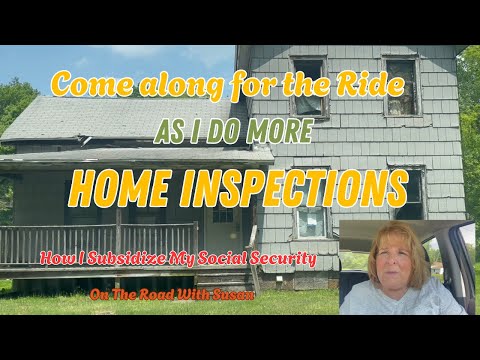
Photo: Patsy Lynch (Public domain)
Job description
Inspectors climb into attics and crawlspaces and up onto roofs to reach the areas most likely to hide a defect, testing systems and photographing anything that needs a closer look. Findings get written up in a detailed report and then walked through with the client, including how urgent a repair is and roughly what it might cost. Because inspections are booked around a home's closing date, turnaround has to be fast, and since a missed issue can carry real financial or legal weight, precision matters more than speed. Most inspectors are paid per job rather than a salary, so building a referral pipeline with real estate agents ends up mattering as much as the inspection skills themselves.
Pros
- Clear, defined credential path through a state license exam rather than a multi-year degree
- Pay can reach $100k, strong upside for a role with a relatively short training path
- Varied, hands-on work moving through different homes rather than sitting at one desk all day
Cons
- Above-average hours, expect more than a standard 40-hour work week
- Physically demanding, requiring climbing into cramped, dusty, or extreme-temperature attics, crawlspaces, and rooftops
- A missed defect can carry real financial and legal consequences for the client, adding pressure to every inspection
A typical day
The 9am inspection is a 1970s ranch under contract, and the inspector works it in a practiced sequence: roof first while the morning is cool — lifting shingle tabs, checking flashing — then attic insulation and ventilation with a headlamp and respirator. Inside, every window gets opened, every outlet tested with a three-light tester, water run in every fixture while watching below for stains that tell on hidden leaks. The crawlspace is the truth-teller: grading, moisture, a jack post someone improvised under a sagging beam. The buyers arrive for the walkthrough, and the inspector translates findings without alarmism — what's routine aging, what's a negotiation item, what needs a structural engineer. Evening is report writing: photos, narrative, and a liability-aware record of everything observed.
Tasks at the job
- Examine a home's structure, roof, foundation, and systems for defects or safety hazards.
- Test electrical, plumbing, heating, and cooling systems for proper function.
- Photograph and document deficiencies found during the inspection.
- Write detailed reports summarizing findings for buyers, sellers, or agents.
- Climb into attics, crawlspaces, and onto roofs to access hard-to-reach areas.
- Advise clients on repair urgency and estimated costs for issues found.
Workplace & working conditions
Work happens on-site at properties in all conditions, including crawlspaces, attics, and rooftops, sometimes in cramped, dusty, or extreme-temperature spaces.
The pace is tied to a real estate closing timeline, so inspections and reports often need quick turnaround. Precision matters, since a missed defect can carry real financial and legal consequences for the client.
Education necessary or common
No formal degree required; a state home inspector license, requiring coursework and an exam, is the real credential
Licenses & certifications
- State home inspector license — the core credential where required
- National Home Inspector Examination (NHIE)
- InterNACHI or ASHI certification
- Radon, mold, or termite inspection add-on certifications
Career path
Related fields
Courses to take
- Building Trades or Construction Technology — you can't inspect what you don't understand
- Physics — moisture, load, and electrical basics behind every defect
- Drafting or CAD — reading plans and understanding structures
- AP English Language — the written report is the actual product
- Business or Entrepreneurship — most inspectors are independent operators
Clubs, activities & competitions
- SkillsUSA — construction knowledge base
- Habitat for Humanity — see how houses go together, which is how you learn how they fail
- Part-time work with a contractor, roofer, or electrician
- Photography club — inspection reports live on clear photos
First steps you can take now
- Walk your own home with a free inspection checklist and write up findings like a pro would
- Ask a local inspector if you can trail an inspection — many enjoy teaching
- Look up your state's home inspector licensing requirements (typically coursework plus the National Home Inspector Examination)
- Learn the major systems of a house one video series at a time: roof, electrical, plumbing, HVAC, foundation