Photo: ChydzinskiArchive (CC BY-SA 4.0)
Job description
Teach and progress skills safely across a range of levels and ages, choreograph and refine competitive routines, and manage the real physical risk inherent in the sport, careers typically build directly on a coach's own competitive gymnastics background. Coaches design conditioning routines to build strength and flexibility, judge when an athlete is ready to advance to harder skills, and prepare gymnasts for meets, including lineup decisions and pre-competition training plans. Because coaches routinely spot athletes attempting risky skills on equipment like bars, beams, and vaults, the physical demands are high and injury risk requires unwavering attention, with hours often running into evenings and weekends around practice and competition schedules.
Pros
- No formal degree required, a personal competitive gymnastics background is the credential that matters most
- Directly shapes athletes' skill progression and often builds close, long-term mentoring relationships
- Pay can reach $90k for coaches who advance to higher competitive levels
Cons
- Above-average hours, often running into evenings and weekends around practice and meet schedules
- Entry-level pay can be quite low, especially at the recreational level
- Constant, serious injury risk while spotting athletes on risky skills demands unwavering attention
A typical day
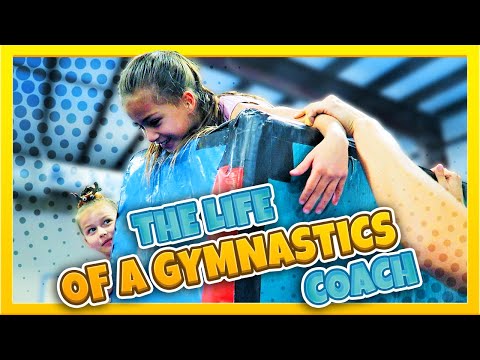
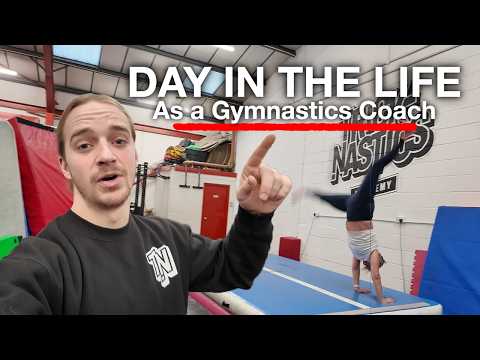
The gym is quiet until mid-afternoon, so the day often starts with lesson planning, setting up equipment stations, and maybe a private lesson for a homeschooled athlete. When school lets out the floor fills fast: a 4pm recreational class of eight-year-olds learning cartwheels, then the pre-team group drilling kips on bars with the coach spotting every attempt, hands ready at the athlete's back. Evening belongs to the competitive team — three hours of conditioning, skill work, and routine run-throughs, with the coach giving corrections one turn at a time and tracking who's ready to compete which skills. The night ends with equipment reset and quick notes to parents about meet schedules.
Tasks at the job
- Teach and progress skills on vault, bars, beam, and floor appropriate to each athlete's level.
- Spot athletes physically during skill practice to prevent falls and injuries.
- Design conditioning routines to build strength, flexibility, and body control.
- Choreograph or refine floor and beam routines for competition.
- Evaluate athletes' readiness to advance to more difficult skills or routines.
- Prepare gymnasts for meets, including lineup decisions and pre-competition training plans.
Workplace & working conditions
Work happens in a gym on padded floors and around apparatus such as bars, beams, and vaults, requiring the coach to be close by and hands-on during skill attempts.
The physical demands are high, since coaches routinely spot athletes attempting risky skills, and injury risk is a constant, serious concern that requires unwavering attention. Hours often run into evenings and weekends around practice schedules and competitions.
Education necessary or common
No formal degree required for club-level coaching, though USA Gymnastics safety certification is standard; a personal gymnastics background is nearly universal
Licenses & certifications
- USA Gymnastics Safety/Risk Management Certification
- U.S. Center for SafeSport training — required for club coaching
- CPR/First Aid/AED certification
- USA Gymnastics University coaching courses
Career path
Related fields
Courses to take
- Anatomy and Physiology — you need to know how the body moves and where injuries come from
- AP Psychology — coaching kids is applied motivation and sports psychology
- Physical Education and Weight Training — conditioning knowledge you'll pass to athletes
- Public Speaking or Leadership — a coach commands a room of kids for hours
- First Aid/Health — injury response is part of the job
Clubs, activities & competitions
- Compete in gymnastics, diving, cheer, or tumbling — a personal athletic background is nearly universal
- Volunteer or work as a junior coach at a local gymnastics club
- Coach or referee at a youth sports camp or rec league
- Student athletic training aide for a school team
First steps you can take now
- Ask your local gymnastics club if they hire teenage assistant coaches for recreational classes — many do
- Get CPR and First Aid certified through the Red Cross this month
- Watch a competitive team practice and study how the coach structures rotations and gives corrections
- Learn proper spotting technique for basic skills from an experienced coach, never from videos alone