Photo: U.S. Marine Corps photo by Staff Sgt. Jim Goodwin (Public domain)
Job description
This umbrella title covers surgical specialties not broken out separately in the data. A typical case starts with evaluating a patient beforehand to confirm surgery is appropriate, then performing the procedure itself alongside anesthesiologists, nurses, and other surgical staff, often over many hours without a break. Afterward, surgeons manage post-operative recovery, watch for complications, and document the outcome in detail. Because techniques and technology keep advancing, staying current within a chosen specialty is an ongoing part of the job, and schedules stay unpredictable since emergencies can arise at any time.
Pros
- Very high upside earning potential, with top pay reaching $655k
- Strong pay even at the entry level compared to most careers
- Faster than average projected job growth (3.9% over the next decade)
Cons
- Extremely small number of positions nationwide, so opportunities may be geographically limited
- Procedures can run many hours without a break, standing the whole time under bright lights
- Demanding, unpredictable schedules since emergencies can't wait, with mistakes carrying fatal stakes
A typical day
The day starts at 6am with rounds on yesterday's post-op patients -- checking incisions, drains, and labs before the OR claims the rest of the morning. First case is at 7:30: scrubbed, gowned, and locked into hours of focus where every structure is confirmed before it's cut. Between cases there are family updates in the waiting room, each one delivered with care because it's the biggest moment of their week. The afternoon holds clinic consults for future surgeries, operative notes to dictate, and an on-call pager that may own the night.
Tasks at the job
- Evaluate patients before surgery to confirm the procedure is appropriate and safe.
- Perform surgical procedures within their specialty, following established protocols.
- Manage patients' post-operative care and monitor for complications.
- Coordinate with anesthesiologists, nurses, and other surgical staff during procedures.
- Document procedures, outcomes, and complications thoroughly.
- Track new surgical techniques and technology within their specialty.
Workplace & working conditions
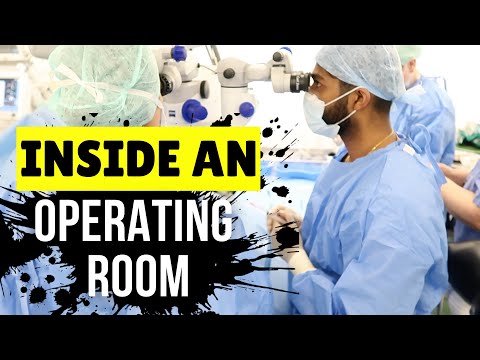
Work happens in a hospital or surgical center, standing for extended periods in an operating room under bright lights, sterile conditions, and required protective gear (gloves, mask, gown).
The stakes are as high as they get — mistakes can be fatal — so precision and calm under pressure are essential, and procedures sometimes take many hours without a break. Schedules are demanding and often unpredictable, since emergencies can't wait, and clear communication with a surgical team under stress is constant.
Education necessary or common
—
Common college majors
Licenses & certifications
- MD/DO state medical license
- Surgical board certification
Career path
Courses to take
- AP Biology -- the foundation of the entire path
- AP Chemistry -- medical school prerequisites start here
- Anatomy & Physiology -- the surgeon's permanent mental map
- AP Calculus or AP Statistics -- pre-med quantitative expectations
- AP Psychology -- patients are people under maximum stress
Clubs, activities & competitions
- HOSA -- health-professions competitions and exposure
- Hospital volunteering -- proximity to clinical reality
- A fine-motor craft or instrument -- suturing rewards trained hands
- Science Olympiad anatomy events
First steps you can take now
- Get CPR certified and volunteer at a hospital this semester
- Practice suturing on a banana with a cheap practice kit
- Shadow any physician -- exposure matters more than specialty at this stage
- Write out the honest timeline: pre-med, MD/DO, then five-plus years of residency