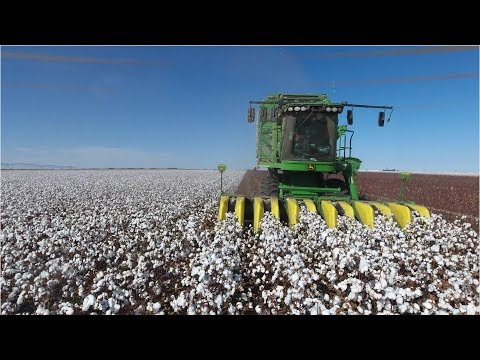
Photo: amir appel from Israel (CC BY 2.0)
Job description
This catch-all category covers farm and ranch labor not captured by more specific titles, spanning crop work, livestock care, and general farm upkeep. A day's work might shift between planting or harvesting, tending irrigation or pest control, and maintaining equipment or fencing, depending on the season and the specific operation. Because tasks and settings vary widely by farm type, the constant across the category is physically demanding outdoor work that intensifies sharply during planting and harvest windows.
Pros
- No formal education required, a very accessible entry point into steady outdoor work
- Hands-on outdoor work with tangible, direct results from planting through harvest
- Faster than average projected job growth for the category (2.3% over the next decade)
Cons
- Entry-level pay can be quite low, with the bottom of the range near $28k
- Physically demanding and seasonal, with long hours concentrated around planting and harvest
- Pay and schedules can be irregular, following crop cycles rather than a fixed calendar
A typical day
Days track the season, not a schedule. In spring it might be transplanting seedlings from a flatbed trailer row after row; in summer, moving irrigation lines at dawn before the heat, then scouting fields for pest damage with a supervisor. Harvest weeks run long — sorting, grading, and loading produce with short breaks in the shade. There's equipment to hose down and a barn to reorganize before quitting time. The work is physical and outdoors in every kind of weather, with the visible satisfaction of a field transformed by the end of the day.
Tasks at the job
- Plant, cultivate, and harvest crops by hand or using hand tools and small equipment.
- Operate or assist with irrigation, fertilizing, or pest control activities.
- Sort, grade, and pack harvested produce for storage or shipment.
- Feed, water, and monitor the condition of livestock as needed.
- Maintain farm equipment, fencing, or structures.
- Follow food safety and handling practices when working with crops or animals.
Workplace & working conditions
Work happens outdoors in fields, orchards, or barns, in all weather conditions and often during physically demanding harvest seasons.
The work is physically demanding and seasonal, with long hours concentrated around planting and harvest times. Pay and schedules can be irregular, following crop cycles rather than a fixed calendar.
Education necessary or common
—
Licenses & certifications
- State tractor/machinery safety certificate (for teen workers)
- Pesticide handler training (state, for some tasks)
Courses to take
- Agriscience if your school offers it
- Biology — plants, pests, and soil basics
- Shop or Ag Mechanics — fixing things in the field saves the day
- Spanish — many crews are bilingual, and communication is safety
Clubs, activities & competitions
- FFA
- 4-H
- Summer or after-school farm work
- Community garden volunteering
First steps you can take now
- Ask local farms, orchards, or nurseries about seasonal work for students
- Complete a youth farm-safety course through your state extension service
- Volunteer at a community garden and learn planting-to-harvest cycles firsthand
- Talk to a farm crew supervisor about which skills earn workers more responsibility