Photo: U.S. Army Europe Images from Heidelberg, Germany (CC BY 2.0)
Job description
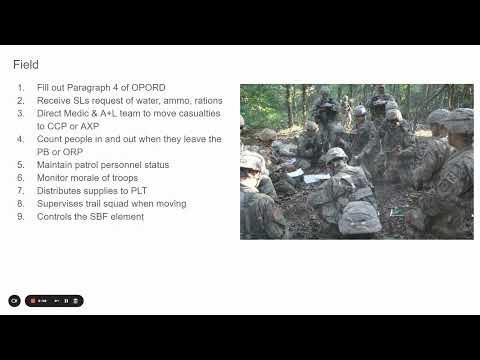
Training and evaluating personnel on tactics and equipment is a constant part of the job, alongside inspecting gear and supplies to confirm units are mission-ready and coordinating the logistics and communications an operation needs. Once a mission is underway, supervisors monitor progress and relay updates between field units and command, enforcing safety protocols and correcting deviations from procedure as they come up. The pace shifts with mission tempo: calm during planning, then fast and high-stakes once operations begin, with real responsibility for the safety of the people they supervise.
Pros
- Leadership role with direct responsibility for training, readiness, and safety of a tactical unit
- Work shifts between hands-on field operations and command-post planning, offering real variety
- Built on hands-on experience and rank progression rather than a specific civilian degree requirement
Cons
- Above-average hours, expect more than a standard 40-hour work week
- Mission tempo swings sharply from calm planning periods to fast, high-stakes operational stretches with little notice
- Carries direct responsibility for subordinates' safety in high-pressure field conditions
A typical day
Before sunrise the team leader is checking weapons, radios, and night-vision gear against the load plan for today's training mission — every item signed for, every battery fresh. The mission brief at 8 walks the squad through the objective, contingencies, and each member's role, with the supervisor asking the junior members questions until confident they own their piece. The field problem runs through midday: movement, security halts, and a simulated contact where the leader's calm radio voice sets the tone. Debrief is honest and specific, and the afternoon closes with maintenance, counseling sessions, and the reports that keep a unit ready.
Tasks at the job
- Supervise personnel executing tactical missions such as reconnaissance, security, or maneuver operations.
- Monitor mission progress and relay updates between field units and command.
- Train and evaluate personnel on tactics, equipment, and standard operating procedures.
- Inspect equipment and supplies to confirm units are mission-ready.
- Coordinate logistics, communications, and support requirements for operations.
- Enforce safety protocols and address deviations from procedure in the field.
Workplace & working conditions
Work happens both in field and operational environments and in command posts or briefing areas, often shifting between the two within a single day.
The pace is dictated by mission tempo, calm during planning and preparation, then fast and high-stakes once operations begin. The role requires clear judgment under pressure and responsibility for the safety of subordinates.
Education necessary or common
—
Licenses & certifications
- Service-specific leadership schools (e.g. NCO academies)
- Airborne, Ranger, or specialty qualifications by path
- Security clearance (obtained in service)
Courses to take
- Physical Education/Weight Training — tactical roles have non-negotiable fitness standards
- Algebra II — ASVAB scores gate the best specialties
- Public Speaking — briefings and orders must be clear under stress
- Geography — land navigation and terrain analysis
- Psychology — small-unit leadership is applied psychology
Clubs, activities & competitions
- JROTC — direct leadership development in a military framework
- A varsity sport with a captain role
- Scouting/Eagle Scout track — fieldcraft and leadership
- Civil Air Patrol or Young Marines
First steps you can take now
- Talk to recruiters from multiple services and compare tactical career fields honestly
- Train for the fitness test of the service you are considering — standards are published
- Take on a real leadership role this year and practice giving clear direction
- Study for the ASVAB with a prep book — scores open doors