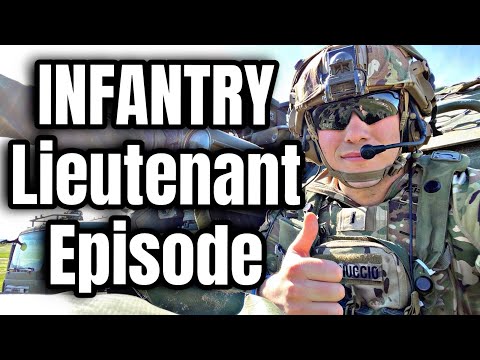
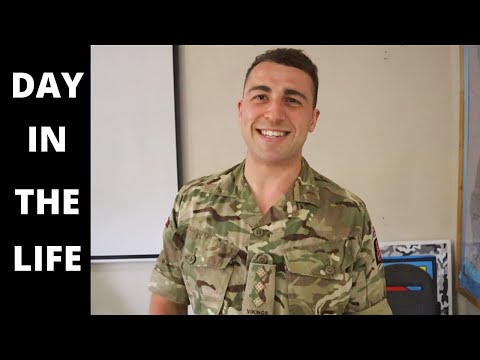
Photo: U.S. Army Europe Images from Heidelberg, Germany (CC BY 2.0)
Job description
Officers train platoons or companies in tactics, weapons handling, and physical readiness, then plan and execute the ground combat, patrol, or training operations those units carry out. Much of the job is coordination: working with artillery, armor, or air support during a mission, and assessing terrain, enemy positions, and risk to make tactical calls in real time. Officers also oversee their unit's equipment readiness and enforce safety protocols and military discipline. Work happens outdoors in field or combat environments, often physically taxing, mixed with administrative work back at a garrison office, and the stakes are about as high as they get since decisions directly affect the lives of the unit.
Pros
- Leadership responsibility and decisive decision-making from early in a career
- Structured career path with a defined chain of command and training pipeline
- Standard hours by military standards (40-50 per week) outside of deployments
Cons
- Above-average hours, expect more than a standard 40-hour work week
- Physically demanding work in austere, often combat, field environments
- Decisions carry the highest possible stakes, directly affecting the lives of the unit
A typical day
The lieutenant is at the company area by 0515, leading platoon physical training from the front — credibility in the infantry is demonstrated, not claimed. The morning is training management: rehearsing the platoon's upcoming live-fire exercise, back-briefing the company commander on the plan, and walking the range with squad leaders whose combined experience outweighs the lieutenant's — and whose counsel a smart officer takes seriously. Midday brings the unglamorous weight of leadership: equipment accountability worth millions, a soldier's family emergency handled with real care, an award recommendation written properly. The afternoon field exercise tests the plan against reality, and the after-action review afterward spares no one, including the platoon leader. The evening ends with tomorrow's orders — the officer eats last, plans first, and owns everything the platoon does or fails to do.
Tasks at the job
- Lead and train infantry platoons or companies in tactics, weapons handling, and physical readiness.
- Plan and execute ground combat, patrol, or training operations.
- Coordinate with supporting units such as artillery, armor, or air support during missions.
- Assess terrain, enemy positions, and mission risk to inform tactical decisions.
- Oversee maintenance of unit equipment, weapons, and readiness levels.
- Enforce safety protocols and military discipline within the unit.
Workplace & working conditions
Work happens outdoors in field training areas or combat environments, often austere and physically taxing, interspersed with administrative work in a garrison office.
The stakes are as high as they get -- decisions directly affect the lives of the unit -- and officers are expected to exercise decisive independent judgment under intense time pressure. The work is physically demanding and organized within a strict chain of command.
Education necessary or common
—
Common college majors
Licenses & certifications
- Bachelor's degree — required for commissioning
- Commission via USMA, ROTC, or OCS
- Infantry Basic Officer Leader Course and Ranger School (in service)
Career path
Courses to take
- AP English Language — orders, briefings, and evaluations are writing under pressure
- AP US History and Government — the profession serves the Constitution
- Physical Education and Weight Training — fitness leads from the front
- Geography — terrain drives every tactical plan
- Precalculus — commissioning paths require solid academics across the board
- Public Speaking — briefing rooms and formations both demand command presence
Clubs, activities & competitions
- JROTC — the direct preview, with leadership positions
- Team captaincy in a demanding sport — leading peers is the core skill
- Eagle Scout track — planning, leading, and fieldcraft together
- Debate or Model UN — thinking and speaking under scrutiny
- Student government — accountable leadership practice
First steps you can take now
- Research all four commissioning paths — West Point, ROTC scholarships, OCS — and their timelines; ROTC applications start junior year
- Train physically to exceed published fitness standards, not meet them
- Interview a current or former officer about platoon leadership honestly
- Take on a leadership role now where you're responsible for other people's outcomes, and keep a journal of what works