Photo: Airman 1st Class Krystal Wright (Public domain)
Job description
The work starts with sourcing candidates through outreach, referrals, and networking platforms, then moves into reviewing resumes and running initial phone or video interviews. Recruiters coordinate interview schedules with hiring managers, negotiate offers, and keep the applicant tracking system current so nothing falls through the cracks. Much of the day is spent on calls or reviewing candidate profiles online, and juggling several open roles at once keeps the pace fast, with hiring managers pushing for speed.
Pros
- Solid pay up to $130k, achievable without necessarily needing a bachelor's degree
- Entry accessible through internal recruiting or agency training programs, not just a four-year degree
- Fast-moving, people-focused work with variety across sourcing, screening, and negotiating offers
Cons
- Constant time pressure to fill open roles, with hiring managers pushing for speed
- Heavily social job requiring near-constant communication with both candidates and internal teams
- Success and pace are tied to hiring demand, which can slow sharply when companies pull back
A typical day
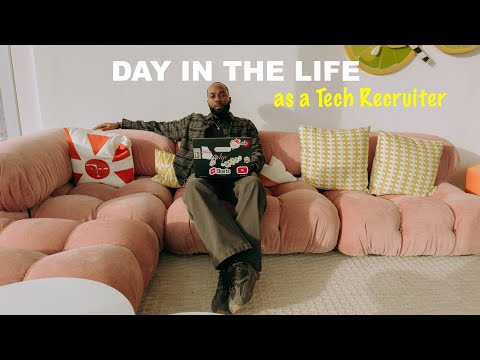
The morning starts in the pipeline dashboard: two offers out, one candidate ghosting, and a hiring manager pinging about a role open for 43 days. The mid-morning intake meeting is the job's real craft -- pushing a manager to separate must-haves from wish-list so the search isn't impossible. The afternoon is sourcing and screening: thirty-minute calls where the recruiter translates between engineer-speak and company needs, assessing both skill signals and what would actually make this person move. The day ends negotiating an offer with a candidate torn between two companies, where honesty about tradeoffs is the closing tool.
Tasks at the job
- Source and screen candidates for open technical roles.
- Review resumes and conduct initial phone or video interviews.
- Coordinate interview schedules between candidates and hiring managers.
- Negotiate offers and manage candidate communications through the process.
- Maintain accurate, up-to-date records in the applicant tracking system.
- Build talent pipelines through networking and sourcing platforms.
Workplace & working conditions
Work happens indoors in an office or remote, spent largely on phone and video calls and reviewing candidate profiles online.
The pace is fast, juggling multiple open roles with hiring managers pushing for speed, and the job is heavily social, requiring constant communication with both candidates and internal teams. Deadlines to fill roles create recurring time pressure.
Education necessary or common
Bachelor's degree, though many enter without one via internal recruiting or agency training programs
Common college majors
Licenses & certifications
- AIRS or LinkedIn recruiting certificates (optional)
- SHRM-CP (later-career)
Career path
Related fields
Courses to take
- AP Psychology -- reading motivation is the core skill
- AP English Language -- outreach messages live or die on writing
- AP Computer Science Principles -- you must speak the technical language you recruit for
- Business electives -- hiring is a business function with metrics
- Public speaking -- selling roles and companies out loud
Clubs, activities & competitions
- DECA or FBLA -- persuasion and business competitions
- Recruit members for a club and track what messaging works
- Coding club -- enough fluency to talk credibly with engineers
- A customer-facing part-time job
First steps you can take now
- Read ten software job postings and learn what the titles and stacks actually mean
- Practice writing a cold outreach message that a busy person would answer
- Interview a recruiter about how they broke in
- Learn LinkedIn deeply -- it's the trade's primary tool