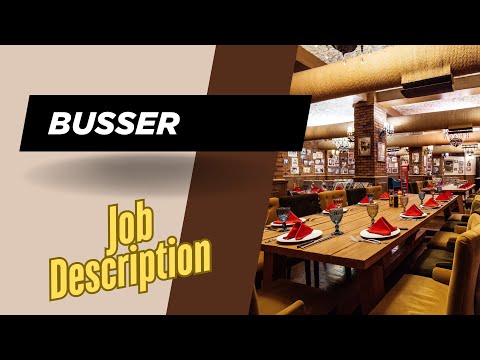
Photo: Elyaqim Mosheh Adam אליקים משה אדם (CC BY-SA 2.0)
Job description
It's a role built around constant small tasks that keep a dining room moving: clearing and resetting tables, carrying trays for cafeteria guests, and handling simple service like refilling water or coffee. Attendants also cover general upkeep, wiping down counters, mopping up spills, and hauling dirty dishes back to the kitchen for cleaning, and at some restaurants they'll run the register as well. It's physically active work, mostly on your feet and moving around a busy floor, and dealing with the occasional frustrated customer comes with the territory. With close to 100,000 projected openings, it's also one of the most common entry points into restaurant and food service work.
Pros
- Low barrier to entry, just a high school diploma and on-the-job training
- Faster than average projected job growth (6.3%) with a large number of openings (99,600)
- Active, on-your-feet work rather than sitting at a desk all shift
Cons
- Entry-level pay is quite low, with limited upside even at the top of the range
- Constant close contact with the public means regularly dealing with frustrated patrons
- Physically repetitive tasks like carrying trays and bussing dishes all shift long
A typical day
The dinner rush is the job at full speed: table twelve pays and leaves, and the attendant has ninety seconds to clear, wipe, and reset before the hostess seats the next party — plates stacked in one practiced motion, the tray balanced through a crowded aisle, glassware racked without a chip. Water and bread hit new tables before the server arrives; coffee gets refilled on the floor's rhythm, not on request. A dropped tray near the bar means broken glass handled fast and safely while service flows around it. Slow moments go to polishing, restocking the bartender's garnishes and glassware, and mopping the spill that would otherwise become a fall. It's the restaurant's circulatory system — and for thousands of future managers and chefs, it was the first job that taught them how a floor really runs.
Tasks at the job
- Serve ice water, coffee, rolls, or butter to patrons.
- Clean up spilled food or drink or broken dishes and remove empty bottles and trash.
- Carry trays from food counters to tables for cafeteria patrons.
- Clean and polish counters, shelves, walls, furniture, or equipment in food service areas or other areas of restaurants and mop or vacuum floors.
- Run cash registers.
- Scrape and stack dirty dishes and carry dishes and other tableware to kitchens for cleaning.
Workplace & working conditions
Work happens indoors in a climate-controlled setting, and most of the day is spent walking or moving around, and you work in close physical proximity to coworkers or the public for much of the shift.
You'll regularly deal with frustrated or upset people as part of the job, and almost all of the work is done as part of a team.
Education necessary or common
High school diploma; some on-the-job training or apprenticeship
Licenses & certifications
- Food handler's permit
Related fields
Courses to take
- Health — food safety basics
- PE — the job is speed, balance, and stamina
- Business Math — tip pools and register basics
- Culinary Arts — the pathway continues from here
Clubs, activities & competitions
- Part-time restaurant work — this job hires students now
- School concession or event catering volunteering
- FCCLA
- Team sports — hustle culture transfers directly
First steps you can take now
- Apply at local restaurants — busser is the classic first food-service job at 15-16
- Get a food handler's card where required
- Practice carrying a loaded tray one-handed
- Watch a busy restaurant's support staff and note the invisible choreography