Photo: China News Service (CC BY 4.0)
Job description
Officers manage the critical communication links between different branches of the military during an operation, evaluate incoming tactical data, and brief senior military or government officials on what's happening in real time. They're also responsible for building emergency response plans for combat or natural disaster scenarios and for overseeing testing and maintenance schedules for the detection and communication equipment the whole center depends on. Because errors in relaying information can affect an active operation, the work demands sustained focus and fast, accurate judgment, and shifts can run around the clock during periods of high activity. Officers also direct and coordinate subordinate command-and-control specialists working alongside them in the center.
Pros
- High-responsibility role directing critical communications and decision-making at the center of operations
- Structured military career path with defined leadership and advancement opportunities over time
- Varied work that ranges from routine monitoring to high-stakes coordination during real operations
Cons
- Above-average hours, expect more than a standard 40-hour work week
- Extended shifts that can run around the clock during active operations
- Errors in relaying information can carry serious operational consequences, adding constant pressure
A typical day
The watch floor never fully sleeps: the shift begins with a turnover brief from the outgoing officer — current air tasking, sensor status, anything unusual on the scopes overnight. Through the watch, the officer supervises specialists monitoring radar feeds and communications nets, cross-checking tracks and making the call on what gets escalated. A snap drill mid-shift tests the emergency response plan the team wrote last month; afterward comes the honest debrief on what lagged. Quiet hours go to training junior personnel, updating procedures, and preparing the situation brief a commander will read before making decisions that ride on its accuracy.
Tasks at the job
- Direct and oversee the operation of communications, surveillance, and weapons-control systems in a command center.
- Relay critical information between air, ground, and naval forces during operations and exercises.
- Develop and implement emergency response plans for combat or natural-disaster scenarios.
- Evaluate incoming tactical data and brief senior military or government officials on the situation.
- Coordinate the actions of subordinate command-and-control specialists during operations.
- Oversee testing and maintenance schedules for detection and communication equipment.
Workplace & working conditions
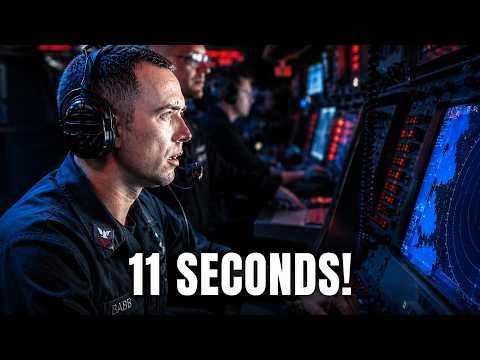
Work happens indoors in a command center or operations room filled with communications and monitoring equipment, often for extended shifts that can run around the clock during active operations.
The role demands sustained focus and quick, accurate decision-making since errors in relaying information can have serious operational consequences. Pace ranges from routine monitoring to intense, fast-moving coordination during live operations or emergencies, with high-level officials often relying directly on the information provided.
Education necessary or common
—
Common college majors
Licenses & certifications
- Officer commission (academy, ROTC, or OCS)
- Security clearance (obtained in service)
Courses to take
- AP U.S. Government — chain of command and national security context
- Geography — tactical awareness starts with knowing the map
- Precalculus — radar, ranges, and intercept math
- Computer Science Principles — command centers are networked systems
- Public Speaking — briefing senior officers clearly is a core duty
Clubs, activities & competitions
- JROTC — the most direct preparation for military leadership
- Civil Air Patrol — aerospace and emergency-services missions
- Model UN — structured briefing and decision-making
- Team captain roles — leading under pressure
First steps you can take now
- Talk with a recruiter or officer-accession advisor about command-and-control career fields
- Join JROTC or Civil Air Patrol this semester
- Practice briefing: summarize a complex news event aloud in two minutes
- Research officer paths: service academies, ROTC scholarships, and OCS