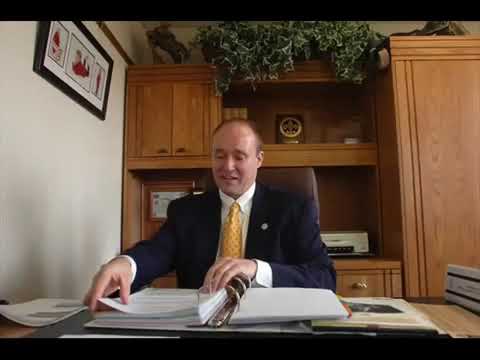
Photo: Minnesota Senate Republican Caucus (CC BY 2.0)
Job description
Legislators research, draft, and introduce bills on issues like education, healthcare, or transportation, then sit on committees that hold hearings, question experts, and revise proposed legislation before it reaches a floor vote. Outside the chamber, much of the job is constituent-facing: meeting with local officials and advocacy groups, responding to casework like problems with a state agency, and reviewing the state budget and any proposed tax or spending changes. Session periods, often just a few months a year in most states, bring a fast, deadline-driven pace, while the rest of the year shifts toward community events and district meetings, and pay and time commitment vary enormously by state.
Pros
- Direct ability to shape state laws, budgets, and policy on issues that matter to your district
- Often structured as a part-time role, so many legislators keep another career alongside it
- Deep, regular contact with constituents and local officials, with real influence over community issues
Cons
- Pay varies enormously by state and can be as low as $15k, closer to a stipend than a salary
- Session periods bring a fast, deadline-driven crush of hearings, votes, and negotiation
- Every position taken is subject to public scrutiny and can become a target in the next election
A typical day
During session, the day starts with an 8am committee hearing -- testimony on a water-rights bill, with staff notes annotated in the margins and questions ready. Late morning is floor time: votes, brief speeches, and hallway negotiations that decide more than the speeches do. The afternoon fills with fifteen-minute meetings -- lobbyists, a school group from the district, two constituents with a problem only a state agency can fix. Evenings mean a reception or a drive back to the district for a town hall, because the next election is never far away.
Tasks at the job
- Research, draft, and introduce bills addressing state policy issues such as education, healthcare, or transportation.
- Serve on committees that hold hearings, question experts, and revise proposed legislation.
- Debate and vote on bills during floor sessions at the state capitol.
- Meet with constituents, local officials, and advocacy groups to hear concerns and explain positions.
- Review and vote on the state budget and proposed tax or spending changes.
- Respond to constituent casework, such as problems with a state agency or benefit program.
Workplace & working conditions
Work is split between a capitol office during legislative sessions -- which in most states run only a few months a year -- and a home district office the rest of the time.
Session periods bring a fast, deadline-driven pace of hearings, votes, and negotiation, while the off-session months involve more constituent meetings and community events. The job is usually part-time and often paired with another career, but still demands frequent public contact and public scrutiny of every position taken.
Education necessary or common
No formal requirement; varies enormously by state, from a low stipend and part-time schedule to a full-time salaried position
Common college majors
Career path
Related fields
Courses to take
- AP US Government -- the machinery of the job, explained
- AP English Language -- bills, floor speeches, and constituent letters
- Public speaking and debate -- persuasion under time limits
- AP Economics -- budgets are what legislatures fight about
- State history/civics -- the arena you'd be working in
Clubs, activities & competitions
- Student council -- run in a real election and serve
- Model legislature programs (YMCA Youth and Government) -- the exact simulation
- Debate team -- structured argument on policy
- Volunteer on an actual campaign -- knock doors and see politics up close
First steps you can take now
- Attend a school board or city council meeting and stay to the end
- Volunteer for a state legislative campaign this cycle
- Join YMCA Youth and Government or a model legislature program
- Read one bill on your state legislature's website from introduction to final text