Photo: U.S. Department of Agriculture (CC BY 2.0)
Job description
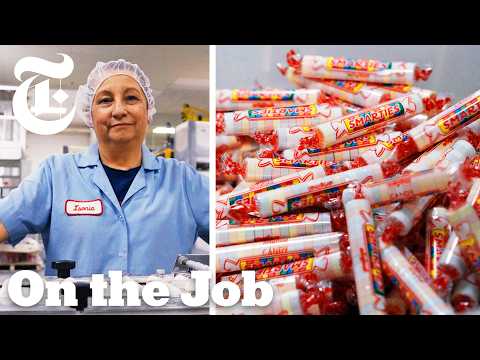
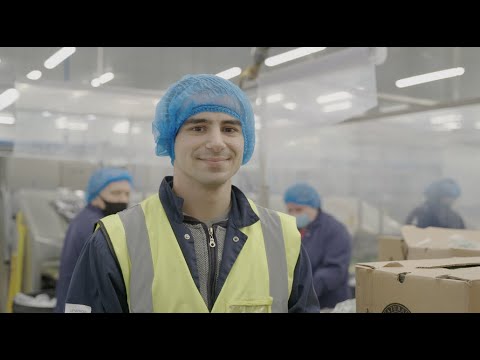
The job follows the line: loading ingredients, operating machinery that prepares or packages food, and inspecting output for defects, all while logging temperatures and production counts to satisfy food safety rules. A shift usually ends with cleaning and maintaining the equipment before the next run starts. Conditions vary a lot by plant, cold and wet on a meat or produce line, hot and noisy on a baking or canning line, but the pace is generally fast and dictated by how quickly the line moves.
Pros
- Faster than average projected job growth at 5.3% over the next decade
- No formal education required, training happens directly on the processing line
- Steady, structured work with clear sanitation and safety procedures to follow
Cons
- Above-average hours are common, often exceeding a standard 40-hour work week
- Limited upside on pay, topping out under $48k
- Fast, line-driven pace with repetitive motion and exposure to cold, wet, or noisy conditions
A typical day
The line runs at 7 sharp, and the day's post is the trim station: product moving past on the belt, hands and blade working in a steady rhythm, everything off-spec diverted before it reaches packaging. Rotations every two hours change the task — to the washer feed, then the box line — which keeps bodies fresh and attention sharp. Sanitation breaks punctuate the day, gloves and aprons swapped, hands washed to a count, because an audit can happen any hour. The shift ends with a full-line washdown and a supervisor's tally; it is repetitive, honest work where reliability and food-safety discipline are the promotion path.
Tasks at the job
- Operate or tend equipment that cleans, cuts, cooks, or packages food products.
- Inspect raw or finished food products for quality, size, or defects.
- Follow sanitation and food safety procedures throughout processing.
- Load and unload ingredients or finished goods on production lines.
- Record production counts, temperatures, or quality checks as required.
- Clean and maintain processing equipment and work areas between shifts.
Workplace & working conditions
Work happens in food processing plants, often cold, wet, or noisy, standing at a station or line for most of the shift.
The pace is typically fast and dictated by production line speed, with limited flexibility once a shift starts. Repetitive motion, exposure to cold temperatures or strong odors, and strict sanitation requirements are standard parts of the job.
Education necessary or common
—
Licenses & certifications
- Food handler card
- HACCP awareness training
- Forklift certification opens better-paid roles
Courses to take
- Health — sanitation and hygiene standards
- Biology — food safety microbiology basics
- Business Math — counts and rates
- Physical Education — standing, lifting, repetition
- Culinary or Agriculture courses where offered
Clubs, activities & competitions
- Any food service or farm job
- FFA food science events
- FCCLA
- SkillsUSA
First steps you can take now
- Get a food handler card
- Apply for seasonal food plant work at 18 (summer packs hire heavily)
- Practice sustained, careful repetitive work and take pride in consistency
- Tour a food processing facility during harvest season