Photo: U.S. Air Force photo by Senior Airman Noah Coger (Public domain)
Job description
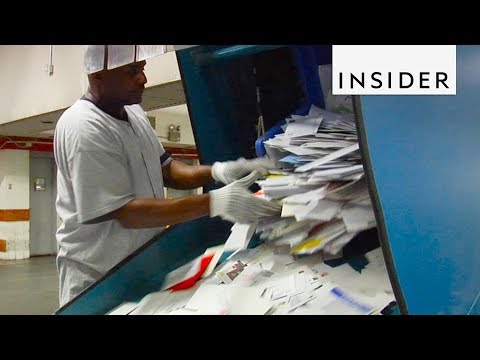
Much of the day is spent feeding mail through computer scanning equipment, optical character readers, and bar-code sorters, then clearing jams and troubleshooting when the machinery balks. Odd-sized envelopes and anything the machines can't handle get sorted by hand, and items needing special handling are pulled and flagged separately. The job runs on deadlines, since mail has to keep moving through the plant on schedule, and it's mostly done on your feet in a busy, noisy indoor facility.
Pros
- Solid pay floor starting above $45k, higher than many other high-school-entry roles
- Federal USPS employment often comes with stronger benefits and job stability than similar roles
- Equipment-focused work operating and troubleshooting sorting machinery adds variety beyond manual sorting
Cons
- Employment projected to shrink notably over the next decade (-8.4%) as mail volume declines
- Standing for most of the shift in a noisy, fast-paced processing environment takes a physical toll
- Regular exposure to contaminants and frequent contact with frustrated customers or coworkers
A typical day
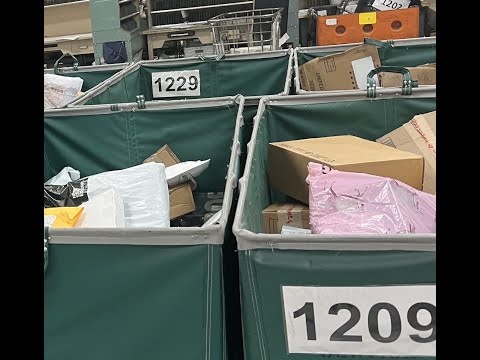
Processing plants run around the clock, and many sorters work the overnight shift, clocking in as trucks unload the evening's collections. The first hours are spent feeding letter trays into the barcode sorter, clearing jams, and sweeping sorted mail from the machine's hundreds of bins into trays bound for specific routes. A misread address kicks mail to manual keying stations, where operators type ZIP fragments at speed. Parcel side is heavier work — culling packages onto belts, scanning, and containerizing by destination. The shift moves fast to make dispatch windows: if the 4am truck leaves without the mail, it's late everywhere downstream.
Tasks at the job
- Clear jams in sorting equipment.
- Operate various types of equipment, such as computer scanning equipment, addressographs, mimeographs, optical character readers, and bar-code sorters.
- Sort odd-sized mail by hand, sort mail that other workers have been unable to sort, and segregate items requiring special handling.
Workplace & working conditions
Work happens indoors in a climate-controlled setting, and most of the day is spent on your feet. Noise levels can be distracting or uncomfortable. The role involves regular exposure to contaminants, and standard protective equipment (gloves, safety glasses, and similar) is expected.
The pace is often fast, with real time pressure to meet deadlines. You'll regularly deal with frustrated or upset people as part of the job.
Education necessary or common
High school diploma; some on-the-job training or apprenticeship
Career path
Related fields
Courses to take
- Computer Applications — the machines are computer-driven and scanner-fed
- Consumer Math — throughput counts and sorting logic
- Physical Education — standing, lifting, and repetitive motion for full shifts
- Shop/Industrial Technology — comfort around conveyor and sorting equipment
Clubs, activities & competitions
- A warehouse, stocking, or fulfillment part-time job — the closest real-world equivalent
- Any team activity with physical stamina demands
- School mailroom or office aide work
First steps you can take now
- Apply for seasonal USPS holiday work at 18 — it's the classic foot in the door
- Practice for the USPS Virtual Entry Assessment
- Tour or ask about shift structure at a local processing facility — nights and weekends are the norm
- Build lifting and endurance fitness safely now