Photo: DVIDSHUB (CC BY 2.0)
Job description
Officers plan and lead missions themselves while also training, advising, and coordinating with partner or allied forces abroad, translating intelligence into tactical and strategic plans for sensitive, sometimes politically delicate operations. Beyond combat leadership, the job includes real logistics and people-management work: keeping a small team's readiness, supplies, and morale intact before, during, and after deployment. Postings range from routine training at home bases to sudden overseas deployment in remote or hostile conditions, and officers carry direct responsibility for their team's safety under high-stakes, limited-support circumstances.
Pros
- Leads a small, highly trained team with real autonomy over mission planning
- Specialized training in diving, parachuting, medicine, and languages builds rare, transferable skills
- Deep sense of mission purpose, often working directly alongside partner-nation forces abroad
Cons
- Missions carry genuine life-or-death stakes with limited outside support once deployed
- Schedule swings unpredictably between months of routine training and sudden, intense deployment
- Above-average hours and long stretches away from home during deployments
A typical day
The captain's morning starts with the team sergeant, aligning today's training plan against the deployment clock -- the 12-man detachment leaves for a partner nation in a month. Mid-morning is a briefing to the battalion commander defending the team's mission concept, every assumption challenged. The afternoon is spent in the field observing the team run a raid rehearsal, resisting the urge to micromanage men with far more years in the regiment. Evenings go to the unglamorous load: personnel paperwork, equipment accountability, and studying the region's politics, because a detachment commander is half diplomat.
Tasks at the job
- Plan and lead small-unit missions such as reconnaissance, direct action, or foreign internal defense.
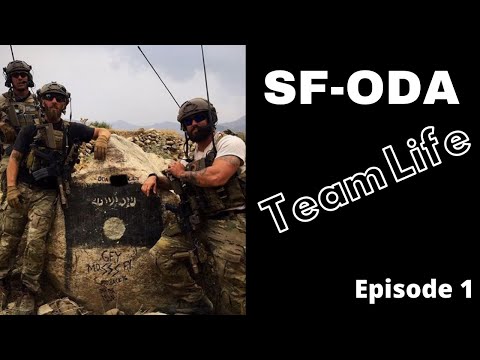
- Train, advise, and lead a 12-person Operational Detachment Alpha (ODA) team.
- Recruit, train, and coordinate with partner or allied forces in foreign countries.
- Analyze intelligence and develop tactical and strategic plans for sensitive missions.
- Operate and oversee the use of specialized communications and weapons equipment in the field.
- Manage team readiness, logistics, and morale before, during, and after deployments.
Workplace & working conditions
Work takes place in a wide range of environments -- garrison, austere training sites, and deployed locations worldwide, often overseas -- in all types of terrain and weather, sometimes in remote or hostile conditions.
The role carries significant autonomy and responsibility for a small team's safety on sensitive, sometimes politically delicate missions, with life-or-death stakes and limited outside support once deployed. Schedules are unpredictable and can shift from months of routine training to sudden, high-intensity deployment.
Education necessary or common
—
Common college majors
Career path
Courses to take
- A world language -- officers work with foreign partners as the core mission
- AP US Government or Comparative Government -- the political layer of unconventional warfare
- Physical education and athletics -- the standard is led from the front
- English or AP Language -- operations orders and briefings are writing tests
- AP World History -- insurgencies and alliances in context
Clubs, activities & competitions
- JROTC or Civil Air Patrol -- early leadership under military structure
- Team captaincy in an endurance sport -- leading while performing
- Model UN -- negotiation and cross-cultural thinking
- Eagle Scout track -- planning and leading others in the field
First steps you can take now
- Map the officer path: college plus ROTC, a service academy, or OCS, then years as an infantry-branch officer before Special Forces selection
- Start building endurance-sport fitness now
- Pick a strategically relevant language and commit to it
- Read an account of Special Forces detachment life and interview a veteran officer if you can