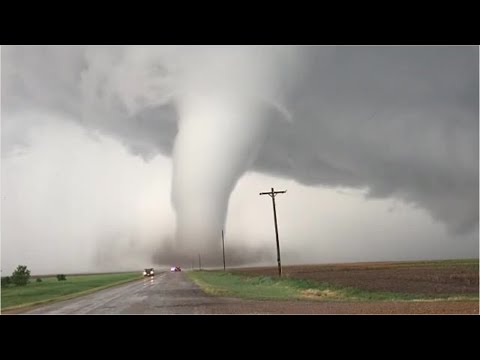
Photo: Airman 1st Class Hanah Abercrombie (Public domain)
Job description
Most of the job happens before any disaster strikes: meeting with local governments, schools, and hospitals to understand their needs and capabilities, then building the partnerships and resource plans that let different agencies move quickly together once something does happen. When an emergency hits, the director coordinates the response directly, ordering evacuations, opening public shelters, and later preparing status reports on damage and recovery efforts. Between events, directors keep emergency plans and resource materials updated so the next response is ready to go.
Pros
- High pay ceiling near $166k with faster than average growth (3%)
- High-impact civic leadership role coordinating an entire community's disaster response
- Bachelor's-level entry point into senior public-sector leadership
Cons
- Only about 1,000 jobs nationwide, a small and geographically limited field
- Above-average hours, with intense surges of activity during actual disasters
- Regularly deals with frustrated officials and the public under high-stakes, structured procedures
A typical day
A normal day starts with a briefing on weather, threats, and open incidents, then shifts to the long game: revising the county's hurricane evacuation plan and scheduling a tabletop exercise with hospitals and school districts. Midday is meetings — fire chiefs, public works, a hospital emergency planner — because this job is mostly building relationships before disaster tests them. In the afternoon the director reviews a federal grant application that funds next year's radio upgrades. When an actual storm is inbound, all of this disappears and the emergency operations center becomes home for seventy-two hours straight.
Tasks at the job
- Consult with officials of local and area governments, schools, hospitals, and other institutions to determine their needs and capabilities in the event of a natural disaster or other emergency.
- Develop and maintain liaisons with municipalities, county departments, and similar entities to facilitate plan development, response effort coordination, and exchanges of personnel and equipment.
- Coordinate disaster response or crisis management activities, such as ordering evacuations, opening public shelters, and implementing special needs plans and programs.
- Prepare emergency situation status reports that describe response and recovery efforts, needs, and preliminary damage assessments.
- Maintain and update all resource materials associated with emergency preparedness plans.
- Prepare plans that outline operating procedures to be used in response to disasters or emergencies, such as hurricanes, nuclear accidents, and terrorist attacks, and in recovery from these events.
Workplace & working conditions
Work happens indoors in a climate-controlled setting.
There's a regular, moderate amount of time pressure, and you're expected to exercise significant independent judgment day to day. The work is highly structured, following set procedures. You'll regularly deal with frustrated or upset people as part of the job, and almost all of the work is done as part of a team.
Education necessary or common
Bachelor's degree
Common college majors
Licenses & certifications
- FEMA Independent Study certificates (IS-100, IS-700 and beyond)
- Certified Emergency Manager (CEM) later in career
- State emergency management certifications
Career path
Related fields
Courses to take
- AP Government — emergency management lives inside government structures
- AP Environmental Science — hazards from floods to wildfires start here
- Public Speaking — briefing officials and the public is a core duty
- Statistics — risk assessment is quantified, not guessed
- Geography or GIS if offered — mapping hazards and resources is daily work
Clubs, activities & competitions
- Community Emergency Response Team (CERT) — many areas offer teen CERT training
- Red Cross youth volunteer program
- Student council or class officer — practice coordinating people and logistics
- Amateur radio club — emergency communications is a real EM function
First steps you can take now
- Take FEMA's free online independent study courses (IS-100 and IS-700) — open to anyone
- Join or start a teen CERT program in your county
- Interview your county's emergency manager about how they got the job
- Volunteer with the Red Cross disaster services team