Photo: Fastpeople09876 (CC BY-SA 4.0)
Job description
Diagnose a client's business problem, gather and analyze data, and recommend (and sometimes help implement) changes to strategy, operations, or organizational structure, typically as part of a small team that moves between client engagements every few months. The pace is fast with tight, client-imposed deadlines, and much of the work is intensely collaborative and client-facing, requiring comfort presenting findings to skeptical executives. Heavy travel is standard, with weeks often split between client sites, hotels, and a home office.
Pros
- Very high upside earning potential, up to $220k, with strong pay even at entry level
- Exposure to a wide variety of industries and business problems across engagements
- Clear path to an MBA-fueled jump into more senior, higher-paying roles
Cons
- Long, demanding hours are common, with a 45 to 60 hour week baseline
- Heavy travel that can mean spending much of the week away from home in hotels
- Constant pressure presenting findings to skeptical, senior executives on tight deadlines
A typical day
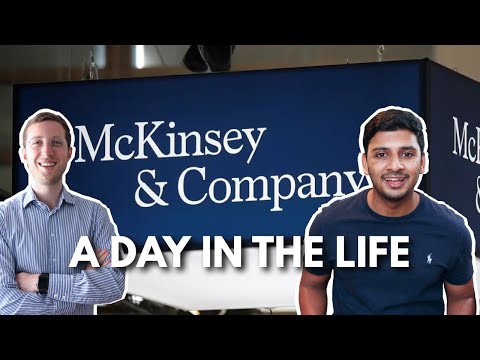
Monday, 6:10am flight to the client city — the consulting rhythm is travel-shaped: fly out Monday, home Thursday night. By 9 the team is in the client's borrowed conference room, and the week's workplan drives everything: this engagement is a pricing strategy for a manufacturer, and today's module is competitor analysis. The morning is structured problem-solving — the hypothesis tree on the whiteboard, each branch assigned an owner and a data source. The consultant's slice: customer interviews, three of them, each mined for willingness-to-pay signals. The afternoon builds the model draft, gets torn apart by the manager at the 4pm check-in (standard; the tearing is the training), and gets rebuilt better by 8 over team dinner. The apprenticeship is intense by design — two years of this compresses a decade of business exposure, which is exactly why the exits (industry strategy roles, startups, MBA programs) treat it as a launchpad.
Tasks at the job
- Gather and analyze client operational and financial data to diagnose problems.
- Interview client stakeholders across all levels of an organization.
- Develop strategic recommendations and frameworks tailored to client needs.
- Build and deliver executive-level presentations summarizing findings.
- Facilitate workshops to align client teams around proposed changes.
- Oversee implementation of recommendations alongside client staff.
Workplace & working conditions
Work splits between client sites and a home office, with heavy travel that can mean spending much of the week away from home, often in hotels.
The pace is fast with tight, client-imposed deadlines, and deliverables are highly structured around consulting frameworks. The work is intensely collaborative and client-facing, requiring comfort presenting findings to skeptical executives.
Education necessary or common
Bachelor's degree; many firms recruit heavily from MBA programs for more senior roles
Common college majors
Licenses & certifications
- No certification required — firm reputation and MBA are the field's currencies
- CMC exists but is rare at strategy firms
- The real credentials: case interview performance and academic record
Career path
Related fields
Courses to take
- AP Statistics — the analytical baseline
- AP Calculus — quantitative rigor signaling and substance
- AP Economics — the business world's physics
- AP English Language — structured communication is the deliverable
- Public Speaking — presence in rooms of skeptics
- AP Computer Science — modeling and data fluency
Clubs, activities & competitions
- DECA — case competitions are literal practice
- Debate — structured argument under pressure
- Model UN — synthesis and diplomacy
- Math team — mental math still matters in case interviews
- Start or lead something with measurable results — consulting recruiting screens for demonstrated drive
First steps you can take now
- Learn the case interview format now via free resources — it teaches the profession's actual thinking method
- Practice sizing problems ('how many pizzas does this city eat weekly?') until estimation feels natural
- Read one business publication regularly enough to have opinions
- Find a consultant to interview about the travel lifestyle honestly — it's the career's real tradeoff