Photo: Alvesgaspar (CC BY-SA 3.0)
Job description
Much of a shift is spent watching an assigned area on foot, in a vehicle, or from a tower, looking for warning signs before a situation turns into an emergency. When something does happen, staff perform rescues, administer first aid or CPR, and then document what happened in incident and condition reports. Pool-based roles add routine upkeep like testing water chemistry, while ski patrol and beach settings bring weather and terrain hazards into the same core mix of prevention, response, and recordkeeping, all while working closely with a team and staying calm with upset patrons.
Pros
- Faster than average projected job growth (5.8% over the next decade)
- Only a high school diploma and on-the-job training required to start
- Large field (42,700 positions) with standard, predictable hours for this type of role
Cons
- Limited upside on pay, with entry-level wages that can be quite low
- Mistakes can have serious consequences, since the job centers on preventing and responding to emergencies
- Regularly deals with frustrated or panicked people during rescues or safety enforcement
A typical day
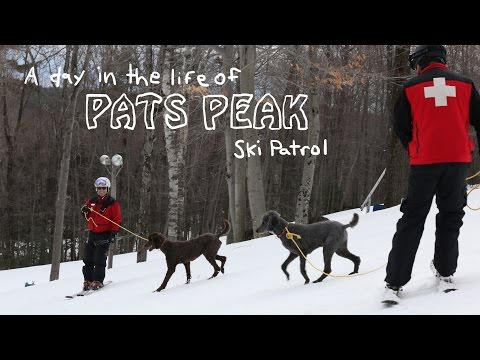
The pool deck at 10am is all routine and vigilance in layers: chemical readings logged, rescue equipment checked, and then the scan begins — a sweep pattern across the assigned zone every ten seconds, watching for the swimmer whose head tips back, the kid whose play turns to struggle. Rotation keeps eyes fresh: twenty minutes per chair, then move. Most days the whistle handles everything — running on deck, diving in the shallow end — but the training underneath never relaxes, and today it's needed: a young swimmer goes vertical and quiet in the deep end, and the guard is in the water within seconds, executing the rescue exactly as drilled, the child scared but fine, the incident report written while details are sharp. In-service training after close runs scenarios harder than the real thing. Winter versions of this job trade the chair for skis and a toboggan; the vigilance is identical.
Tasks at the job
- Patrol or monitor recreational areas, such as trails, slopes, or swimming areas, on foot, in vehicles, or from towers.
- Rescue distressed persons, using rescue techniques and equipment.
- Examine injured persons and administer first aid or cardiopulmonary resuscitation, if necessary, using training and medical supplies and equipment.
- Warn recreational participants of inclement weather, unsafe areas, or illegal conduct.
- Maintain quality of pool water by testing chemical levels.
- Complete and maintain records of weather and beach conditions, emergency medical treatments performed, and other relevant incident information.
Workplace & working conditions
Work happens indoors in a climate-controlled setting, and you work in close physical proximity to coworkers or the public for much of the shift. Noise levels can be distracting or uncomfortable. The role involves regular exposure to contaminants.
Mistakes can have serious consequences, so accuracy matters a lot. You'll regularly deal with frustrated or upset people as part of the job, and almost all of the work is done as part of a team.
Education necessary or common
High school diploma; some on-the-job training or apprenticeship
Licenses & certifications
- American Red Cross Lifeguarding certification (with CPR/AED and First Aid) — the standard
- WSI (Water Safety Instructor) — adds teaching income
- NSP Outdoor Emergency Care — ski patrol's credential
- EMT certification — the natural upgrade for those who love the emergency side
Career path
Related fields
Courses to take
- Health and First Aid — the knowledge base the certifications formalize
- Physical Education and Swimming — water fitness is a prerequisite, not a preference
- Biology — the body's emergencies from the inside
- AP Psychology — crowd behavior and de-escalation
- Public Speaking — enforcing rules with authority and courtesy
Clubs, activities & competitions
- Swim team — the direct pipeline to lifeguarding
- Junior lifeguard programs — many pools and beaches run them for teens
- Red Cross club — first aid and CPR culture
- Ski club and ski racing for the patrol path
- Scouting lifesaving and first aid merit badges
First steps you can take now
- Get Red Cross Lifeguard certified — courses run year-round, the job hires at 15-16, and it's one of the best-paying teen jobs anywhere
- Swim laps until the certification prerequisites (distance, brick retrieval) are comfortable, not barely passable
- Ask your local pool when they hire and whether they pay for certification — many do
- For ski patrol: ski constantly, then look into your mountain's junior patrol or Outdoor Emergency Care course timing