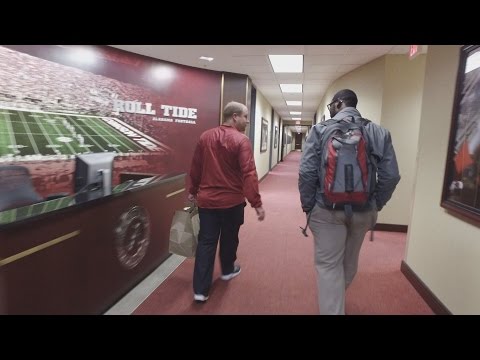
Photo: Alameen khalid200 (CC BY-SA 4.0)
Job description
Scouts compile detailed written and statistical reports comparing a prospect against a team's specific needs, competitive level, and long-term potential, then advise front offices or coaches on the draft, recruiting, or trades. Much of the insight comes from relationships built with coaches, agents, and players that go beyond what shows up on game film. The schedule is irregular and travel-heavy, often nights and weekends built around the games themselves, and getting an evaluation wrong carries real career and financial stakes for the team.
Pros
- High upside earning potential, up to $150k
- Deep immersion in a sport, watching games and evaluating talent firsthand
- Builds a wide network of relationships with coaches, agents, and players
Cons
- Long, demanding hours are common, with travel-heavy nights and weekends
- Irregular schedule built around games rather than a fixed routine
- Evaluation judgment calls carry real financial and career stakes for the team
A typical day
The day starts with a three-hour drive to a mid-week college game, notes app open at every gas stop to log calls from other scouts working the same region. Batting practice and warmups matter as much as the game -- how a prospect moves, listens to coaches, and treats teammates goes straight into the report. During the game, every at-bat gets graded on the organization's scale, with radar-gun readings and swing videos attached. The motel evening is for writing it all up and cross-checking the season schedule, because tomorrow is another town and another kid who might be worth a draft pick.
Tasks at the job
- Attend games, practices, and tournaments to evaluate athletes' skills and potential.
- Compile detailed written and statistical reports on prospects for coaches or front-office staff.
- Compare athletes against team needs, competitive level, and long-term potential.
- Build relationships with coaches, agents, and players to gather insight beyond game film.
- Travel extensively to cover games across a region, league, or country.
Workplace & working conditions
Work involves extensive travel to stadiums, gyms, and arenas across a wide territory, often watching games from press boxes or stands in all weather and at all hours depending on schedules.
The schedule is irregular and travel-heavy, often nights and weekends built around the games themselves. Judgment calls on a prospect's potential carry real career and financial stakes for the team, adding pressure to get evaluations right.
Education necessary or common
Bachelor's degree helpful but not required; deep sport-specific knowledge and often a playing or coaching background matter most
Common college majors
Career path
Related fields
Courses to take
- AP Statistics -- modern scouting blends eyes with numbers
- Physical education/athletics -- understanding movement quality
- AP English Language -- reports must make a GM see the player
- Psychology -- projecting character and coachability
- Spanish -- a real edge in several major sports' talent pipelines
Clubs, activities & competitions
- Play the sport you'd scout -- pattern recognition comes from reps
- Manage or keep stats for a school team -- inside access to evaluation
- Serious fantasy sports or draft analysis as a study habit
- Film club for game tape -- learn clipping and tagging
First steps you can take now
- Write a real scouting report on a player at your school using a 20-80 style scale
- Compare your evaluation to how the player performs over a season
- Volunteer to film or keep stats for a local team
- Read draft analyses by professional scouts and mimic the format