Photo: DanTD (CC BY-SA 4.0)
Job description
A trip starts with scouting waterways and tracking conditions to figure out where fish are likely biting that day, then adjusting the plan around weather, tides, or water conditions once out on the water. The job covers everything from maintaining boats, motors, and tackle to teaching casting and knot-tying, and handling, measuring, and releasing or cleaning the catch according to local regulations. Days often start before dawn and run long, physically active hours, and success is never guaranteed no matter how skilled the guide is; a state fishing guide license, plus a captain's license for offshore work, is the real credential here rather than a college degree.
Pros
- Low barrier to entry, a state guide license (and captain's license for offshore work) rather than a degree
- Outdoor, hands-on work built around a genuine passion for fishing and local waterways
- Variety day to day as conditions, seasons, and client skill levels constantly change
Cons
- Long, demanding hours are common, with days often starting before dawn
- Entry-level pay can be quite low, and income is often seasonal and weather-dependent
- Success isn't guaranteed no matter the guide's skill, which can strain client relationships
A typical day
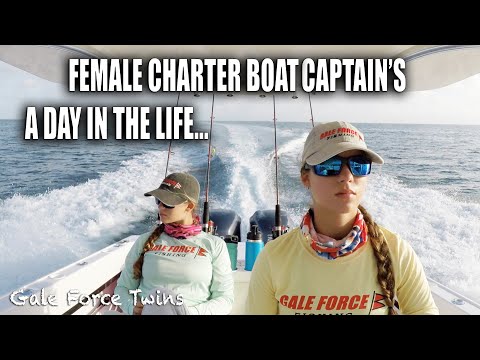
The guide's alarm goes off at 4:30; by 5:45 the boat is fueled, rods rigged for the conditions, and coffee ready for clients who arrive knowing nothing about the lake — that gap is the product. The morning is fishing and teaching in equal parts: reading the graph, repositioning on a subtle wind shift, and untangling a beginner's backlash without a flicker of impatience. Lunch on the water comes with stories, because clients rebook the experience as much as the catch. The afternoon bite, the dock photos, the cleaning table, and then the unglamorous half: boat wash-down, tackle prep, answering booking texts, and checking tomorrow's weather twice.
Tasks at the job
- Scout waterways and monitor conditions to determine where fish are likely to be biting.
- Prepare, maintain, and operate boats, motors, and fishing tackle for clients.
- Teach clients casting, knot-tying, and technique suited to the target species.
- Navigate to fishing spots and adjust the day's plan around weather, tides, or water conditions.
- Handle, measure, and safely release or clean caught fish according to local regulations.
- Explain local fishing regulations, licensing requirements, and conservation practices to clients.
Workplace & working conditions
Work happens outdoors on boats or along shorelines, in weather ranging from calm mornings to sudden storms.
Days often start before dawn to reach the best fishing conditions and run long, physically active hours in sun, wind, or rain. Guides work closely with clients of varying skill and patience levels, and success is never guaranteed no matter how good the guide is.
Education necessary or common
No formal degree required; a state fishing guide license and, for offshore work, a captain's license are the real credentials
Licenses & certifications
- State fishing guide license
- USCG captain's license (OUPV/six-pack) for offshore or larger operations
- First Aid/CPR
- Boater safety certification
Career path
Related fields
Courses to take
- Biology — fish behavior, seasons, and habitat drive every decision
- Business/Entrepreneurship — a guide is a small business with a boat
- Public Speaking — clients pay for the company as much as the fish
- Geography/Earth Science — weather and water reading
- Small Engines — the motor must start every morning
Clubs, activities & competitions
- A school fishing club or high school bass fishing team (they are growing fast)
- Work at a marina, tackle shop, or charter dock
- 4-H sportfishing projects
- Film and share your fishing — guides live on word of mouth and social proof
First steps you can take now
- Fish relentlessly and log every trip: conditions, technique, results
- Get a summer job at a marina or tackle shop
- Study your state's guide license requirements and the USCG captain's license path for bigger water
- Take a boater safety course now