Photo: Faisal Akram from Dhaka, Bangladesh (CC BY-SA 2.0)
Job description
Photographers work out composition, lighting, and camera settings (aperture, shutter speed, focus) based on the subject and desired effect, sometimes using flashes, reflectors, tripods, or filters to shape the shot further. Afterward, most transfer images to a computer to edit, archive, or transmit them, often enhancing photos with specialized software before delivering a final product. The field spans commercial and industrial photography, scientific photography, and photojournalism, so the day-to-day mix of shooting and editing varies a lot by specialty.
Pros
- Enter the field via vocational training or an associate's degree, no four-year degree required
- Creative control over composition, lighting, and final image editing on every shoot
- A sizable field with about 12,700 positions and modest but positive projected growth
Cons
- Above-average hours, often more than a standard 40-hour week
- Pay tops out below six figures even with experience, and growth is slower than average
- Constant close public contact means managing client expectations and moods during every shoot
A typical day
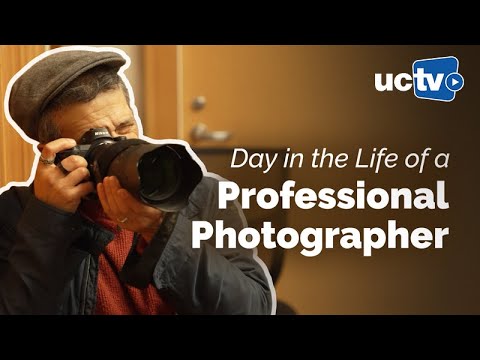
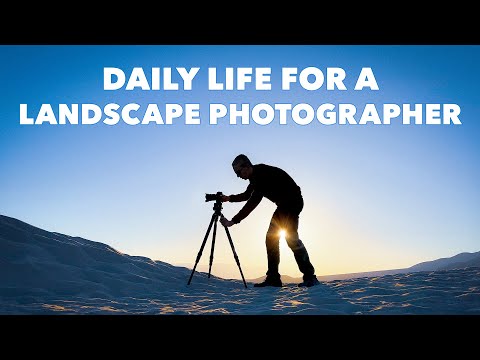
Shoot day starts the night before — batteries charged, cards formatted, shot list annotated — because the 7am wedding-morning coverage forgives no fumbling. The morning's work is documentary: getting-ready candids shot wide open in bad hotel light, the photographer working angles quietly, directing only when a moment needs rescuing. A corporate headshot block fills the early week otherwise: lighting built one flag at a time, subjects coached out of their stiffness with genuine conversation, fifty employees in four hours without the fiftieth looking rushed. The unglamorous middle of the profession happens at the desk — culling two thousand frames to two hundred, edits batched with a consistent hand, galleries delivered on the promised date, invoices chased politely. The 4pm golden-hour session is the fun the job advertises; the contract review and the backup-drive rotation are the job it actually is. The camera is maybe a fifth of it. Seeing — and running a business around seeing — is the rest.
Tasks at the job
- Adjust apertures, shutter speeds, and camera focus according to a combination of factors, such as lighting, field depth, subject motion, film type, and film speed.
- Create artificial light, using flashes and reflectors.
- Determine desired images and picture composition, selecting and adjusting subjects, equipment, and lighting to achieve desired effects.
- Transfer photographs to computers for editing, archiving, and electronic transmission.
- Use traditional or digital cameras, along with a variety of equipment, such as tripods, filters, and flash attachments.
- Manipulate and enhance scanned or digital images to create desired effects, using computers and specialized software.
Workplace & working conditions
Work happens indoors in a climate-controlled setting, and you work in close physical proximity to coworkers or the public for much of the shift.
There's a regular, moderate amount of time pressure, and you're expected to exercise significant independent judgment day to day.
Education necessary or common
Vocational training, apprenticeship, or associate's degree
Common college majors
Licenses & certifications
- Certified Professional Photographer (CPP, PPA — optional credibility)
- FAA Part 107 drone license (adds a service line)
Career path
Related fields
Courses to take
- Photography or Digital Media courses — technique and critique
- Art — composition, light, and visual literacy
- Business Math — pricing, costs, and the freelance ledger
- Marketing — clients come from being findable
- Computer Applications — editing software fluency
Clubs, activities & competitions
- Yearbook or school newspaper photography — real assignments and deadlines
- Photograph school sports, theater, and events — portfolio plus pressure
- Photo competitions (Scholastic Art Awards, county fairs)
- Sell mini-sessions to families and seniors — the business in miniature
First steps you can take now
- Shoot a deliberate project this month — one subject, twenty final images, edited consistently
- Learn manual exposure until the triangle is reflex
- Second-shoot for a local photographer — ask; many say yes to eager students
- Build a portfolio site with your best fifteen images and nothing else