Photo: U.S. Army Europe Images from Wiesbaden, Germany (CC BY 2.0)
Job description
Day-to-day duties include maintaining and operating rifles, machine guns, and other weapons, conducting foot patrols to gather intelligence, and building or camouflaging defensive positions in the field. Training covers movement, ambush, and assault tactics, and much of it happens outdoors in all types of terrain and weather, often carrying heavy gear over long distances. During deployment, the job carries direct combat risk and intense time pressure, with long stretches spent living outdoors as part of a unit. Success depends on tight teamwork and following orders precisely, which means less individual autonomy than most civilian jobs.
Pros
- Strong sense of purpose and camaraderie built through tight small-unit teamwork
- Physically demanding, hands-on work with a clear, immediate mission focus
- Foundational combat training and discipline that transfers to many later career paths
Cons
- Physically demanding, carrying heavy gear over long distances in all terrain and weather
- Direct combat risk during deployment with real time pressure and high stakes
- Far less individual autonomy than many civilian jobs, with success depending on following orders precisely
A typical day
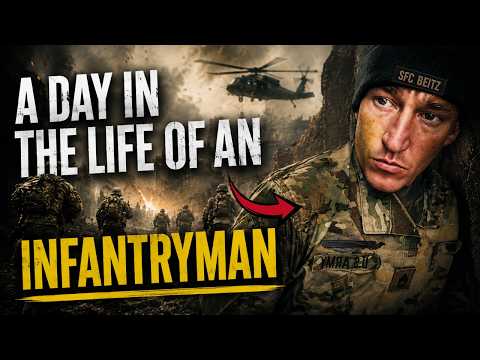
The day starts at 0530 with unit physical training — a ruck run or combatives session — then hygiene, chow, and formation. Training tempo fills the morning: weapons maintenance in the arms room where every part is accounted for twice, then squad battle drills rehearsed until reactions become reflexes. Afternoons vary by cycle — a live-fire range with strict safety discipline, land navigation with map and compass and no phone, or classes on first aid and communications gear. In the field, the schedule dissolves entirely: patrols, security rotations, sleep in shifts under the stars, and cold coffee that tastes earned. Garrison days end with equipment layout and word for tomorrow. The constants everywhere are the fire team beside you and standards that don't bend.
Tasks at the job
- Conduct patrols and reconnaissance missions on foot to gather intelligence and monitor enemy activity.
- Operate and maintain rifles, machine guns, and other individual and crew-served weapons.
- Move, secure, and hold territory or key positions as part of a squad or larger unit.
- Take part in field training exercises covering movement, ambush, and assault tactics.
- Dig in, fortify, and maintain defensive positions in the field.
- Perform routine maintenance on weapons, gear, and equipment between missions.
Workplace & working conditions
Work happens outdoors in the field -- in all types of terrain, climates, and weather -- as well as on military bases between deployments, often carrying heavy gear over long distances on foot.
The job is physically demanding and, during deployment, carries direct combat risk, real time pressure, and long stretches working, eating, and sleeping outdoors as part of a unit. Success depends on tight teamwork and following orders precisely, with far less individual autonomy than many civilian jobs.
Education necessary or common
—
Licenses & certifications
- ASVAB qualifying score — the entry exam
- Airborne, Air Assault, or Ranger school qualifications (earned in service)
- Combat Lifesaver certification (earned in service)
Career path
Courses to take
- Physical Education and Weight Training — the body is the primary equipment
- JROTC if offered — direct preparation and rank advantage at enlistment
- First Aid/Health — combat lifesaver skills start with the basics
- Geography — land navigation and terrain reading
- Algebra — required ASVAB territory; better scores open better options
Clubs, activities & competitions
- JROTC — leadership, drill, and military familiarization
- Team sports, especially demanding ones — wrestling, football, cross country
- Scouting/Eagle Scout track — fieldcraft, navigation, and leadership
- Hunting, camping, and backpacking — genuine field comfort
First steps you can take now
- Start structured physical training now — rucking, running, pull-ups; standards are published, so train to exceed them
- Take a practice ASVAB — higher scores mean more choices, including airborne and specialty schools
- Talk to veterans, not just recruiters — get the unvarnished version of infantry life
- Research enlistment options and bonuses across Army and Marine Corps infantry paths before signing anything