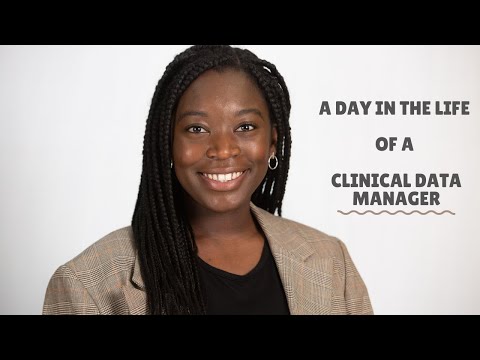
Photo: IICD (CC BY 2.0)
Job description
Designing and validating a study's database, including logic checks that catch bad or missing data as it comes in, is where the work starts, followed by generating queries to resolve anything that looks off. A data manager typically writes a project-specific data management plan up front, covering how data will be coded, reported, and eventually locked, then spends the life of the study monitoring quality against standard operating procedures. Because clinical trials are tightly regulated, the role blends healthcare knowledge with database administration, and experienced managers often move into overseeing data management across multiple studies at once. It's precise, desk-based work requiring a bachelor's degree, with strong pay (up to nearly $200,000) and, notably, the fastest projected growth of any career in this batch.
Pros
- Much faster than average projected job growth (33.5%), among the fastest in the field
- High pay ceiling near $199k combining healthcare knowledge with technical database skills
- Precision-focused work with clear, measurable standards for data quality and compliance
Cons
- Precision and accuracy are essential, since errors in clinical data can affect study validity
- Regular, moderate time pressure tied to study deadlines and reporting requirements
- Requires close familiarity with regulatory standard operating procedures, an ongoing compliance burden
A typical day
The morning starts in the query queue: overnight validation checks on an oncology trial flagged forty discrepancies — a lab value entered with the wrong units, a visit date before the enrollment date — and each becomes a query sent back to the clinical site for resolution. Mid-morning might be a database build meeting for a new study: translating the protocol's data needs into forms, fields, and edit checks before the first patient enrolls. Afternoons swing between testing validation logic, reviewing a data transfer from a central lab, and prepping metrics for a sponsor call. The finish line for any study is database lock, and everything about the job serves getting there with data clean enough to trust.
Tasks at the job
- Design and validate clinical databases, including designing or testing logic checks.
- Process clinical data, including receipt, entry, verification, or filing of information.
- Generate data queries, based on validation checks or errors and omissions identified during data entry, to resolve identified problems.
- Develop project-specific data management plans that address areas such as coding, reporting, or transfer of data, database locks, and work flow processes.
- Monitor work productivity or quality to ensure compliance with standard operating procedures.
- Prepare appropriate formatting to data sets as requested.
Workplace & working conditions
Work happens indoors in a climate-controlled setting, and most of the day is spent sitting at a desk.
There's a regular, moderate amount of time pressure. Precision and accuracy are essential to the work.
Education necessary or common
Bachelor's degree
Common college majors
Licenses & certifications
- CCDM (Certified Clinical Data Manager) after work experience
- SAS or SQL certifications (helpful)
Career path
Related fields
Courses to take
- AP Statistics — clinical data exists to be analyzed; know what analysts need
- AP Computer Science Principles or A — databases and logic checks are programming-adjacent
- AP Biology — you need to understand what the medical data means
- Health Science electives — medical terminology pays off daily
- English — writing precise queries and data management plans
Clubs, activities & competitions
- HOSA (Future Health Professionals) — medical terminology and health informatics events
- Coding club
- Science fair with a data-heavy project
- Math team or statistics competitions
First steps you can take now
- Learn spreadsheet skills seriously — build a tracker with data validation rules this month
- Take a free intro course on clinical trials (several universities offer them online)
- Look up a real clinical trial on ClinicalTrials.gov and read what data it collects
- Learn basic SQL through a free interactive tutorial