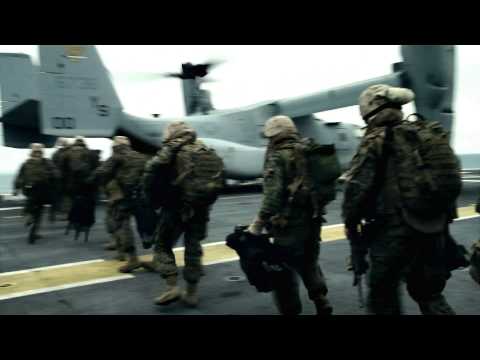
Photo: PACAF (CC BY 2.0)
Job description
Supervisors review flight plans, cargo manifests, and mission orders for accuracy before departure, inspect cabins and safety equipment, and train crew members on in-flight duties and procedures. They also evaluate crew performance and coordinate with pilots and ground crews to keep missions running on schedule. The pace is generally structured around mission schedules, but it can turn urgent fast when weather or operational changes hit, and precision matters since crew errors in the air carry immediate safety consequences.
Pros
- Hands-on leadership role blending flying operations with training and mentoring junior crew
- Structured mission schedules give predictable routines outside of weather-driven disruptions
- Directly shapes flight safety and crew readiness, work with tangible, immediate impact
Cons
- Above-average hours, expect more than a standard 40-hour work week
- Regular exposure to engine noise and vibration both in flight and on the ground
- High-stakes environment where crew errors carry immediate safety consequences
A typical day
The duty day starts with the flight schedule board: tomorrow's training sortie needs a full crew, and the supervisor juggles qualifications, crew rest rules, and a member out for a medical appointment to fill it legally. Mid-morning is a check ride review — sitting down with a crew member whose evaluation showed a weak area and building the retraining plan. The afternoon brings equipment inspections, a safety briefing for an upcoming exercise, and the paperwork rhythm of military supervision: performance reports, leave requests, readiness metrics. The mission flies because someone made the crew ready; that someone is this job.
Tasks at the job
- Supervise and schedule air crew members assigned to aircraft missions.
- Review flight plans, cargo manifests, or mission orders for accuracy before departure.
- Train crew members on in-flight duties, safety procedures, and equipment operation.
- Inspect aircraft cabins, equipment, and safety gear prior to flight.
- Evaluate crew performance and address in-flight or procedural issues.
- Coordinate with pilots and ground crews to keep missions on schedule.
Workplace & working conditions
Work happens both in aircraft during flight operations and on the ground at hangars, briefing rooms, and airfields, with exposure to engine noise and vibration.
The pace is structured around mission schedules but can turn urgent with weather delays or operational changes. Precision matters, since crew errors in the air carry immediate safety consequences.
Education necessary or common
—
Licenses & certifications
- Enlisted aircrew training pipeline (service-provided)
- Aircrew qualification and instructor/evaluator upgrades
- Security clearance (obtained in service)
Courses to take
- Physics — flight and aircraft systems fundamentals
- Algebra II and Precalculus — aviation math and testing (ASVAB) rewards it
- Public Speaking — briefing crews is daily work
- Health/PE — military fitness standards never pause
- Psychology — leading people is the actual specialty
Clubs, activities & competitions
- Civil Air Patrol — the premier aviation pipeline for teens, with real flight exposure
- JROTC (especially Air Force JROTC)
- A team captaincy in any sport or activity
- Aviation Explorer post if one operates nearby
First steps you can take now
- Join Civil Air Patrol as a cadet — orientation flights included
- Talk with an Air Force or Navy recruiter about aircrew career fields and ask specifically about enlisted aircrew
- Study for the ASVAB — aircrew slots require strong scores
- Get and stay fit; aircrew physicals are demanding