Photo: Shixart1985 (CC BY 2.0)
Job description
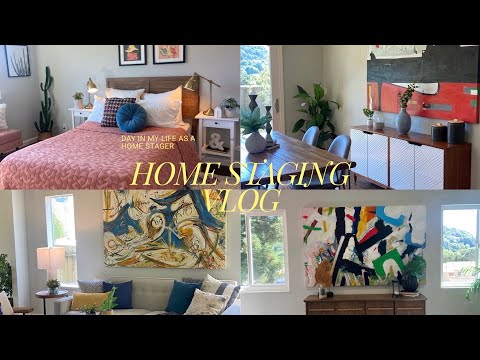
Stagers start by walking a property with the listing agent to figure out who the likely buyer is and how to lay out the space around that, then bring in furniture, art, and accessories (often from their own rental inventory) to highlight the home's best features and downplay its flaws. The job involves real physical labor: hauling furniture in and out of trucks, decluttering a seller's belongings before the photographer arrives, and adjusting a room's setup between showings based on feedback. Because everything is tied to listing dates and open houses, the turnaround from empty house to market-ready is often tight, and the work rewards both a strong eye for design and comfort with heavy lifting.
Pros
- No formal degree required, though an interior design background or staging certification helps credibility
- Creative, visual work turning empty or cluttered spaces into ones that show well
- Demand tracks the local housing market, giving steady work in active real estate areas
Cons
- Above-average hours with quick turnarounds required around listing dates and open houses
- Physically demanding, involving heavy lifting and furniture moving in and out of trucks routinely
- Income depends on local housing market activity, which can slow work during a downturn
A typical day
The morning starts at a warehouse of rented furniture, tagging pieces for a vacant townhouse that photographs cold and empty — a sofa with clean lines, art that suggests a life without naming one. On site by 10, the stager directs the movers, then works room by room: rugs angled to widen a narrow living room, lamps to warm a dim corner, three items per surface and never more. The afternoon is an occupied-home consultation, which is really diplomacy — persuading owners that buyers need to see space, not their family photos. Before leaving, the stager shoots every room on a phone to preview how the listing photos will read, because the photos, not the house, get the showing booked.
Tasks at the job
- Walk through a property with the listing agent to plan furniture layout and decor.
- Rent, transport, and arrange furniture, art, and accessories to highlight a home's strengths.
- Declutter and depersonalize a seller's existing belongings before photography.
- Coordinate delivery and pickup schedules around showings and closing dates.
- Photograph staged rooms for marketing materials.
- Adjust staging between showings based on agent or buyer feedback.
Workplace & working conditions
Work happens on-site at vacant or occupied homes, with heavy lifting and furniture moving in and out of trucks as a routine part of the job.
The pace is deadline-driven around listing dates and open houses, often requiring a quick turnaround between an empty house and a market-ready one. The work rewards a strong visual eye and comfort with physical labor.
Education necessary or common
No formal degree required, though many have a background in interior design; certification programs exist
Licenses & certifications
- RESA (Real Estate Staging Association) certification
- Certified Staging Professional (CSP) designation
- Interior design coursework certificates (optional, credibility-building)
Related fields
Courses to take
- Art — composition, color, and balance are the entire toolkit
- Interior Design or Housing (family and consumer sciences) — direct subject matter
- Photography — staging succeeds or fails in the listing photos
- Business or Marketing — staging is a small business selling to realtors
- Psychology — buyer perception is the actual product
Clubs, activities & competitions
- DECA — marketing and entrepreneurship practice
- Theater set design crew — creating rooms that tell a story
- Restyle rooms for family and friends and photograph before/afters
- Yearbook or photography club — the visual eye compounds
First steps you can take now
- Restage one room in your own home and shoot honest before/after photos
- Build an Instagram portfolio of your styling work, even practice projects
- Browse local listings and analyze which photos feel staged and why they work
- Ask a realtor which stagers they use and what makes them rebook one