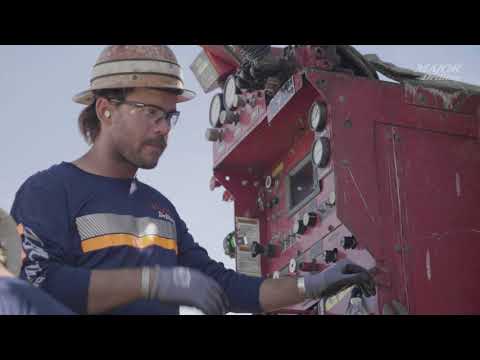
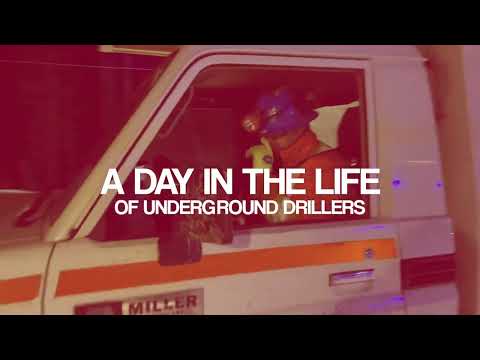
Photo: National Institute for Occupational Safety and Health (Public domain)
Job description
The job runs on heavy equipment: operating or tending drilling and excavating machinery, then loading, hauling, and dumping extracted material using trucks or conveyors. Just as much of the day goes to keeping the site itself safe, setting up and monitoring pumps, hoists, and ventilation equipment, and inspecting for hazards like loose rock or gas buildup before and during operations. Workers also handle routine maintenance and minor repairs on the machinery they run. Because sites are often remote and operate continuously, shifts run long and may include nights, weekends, or being on call, with noise, dust, and vibration a constant part of the job and standard protective gear required throughout.
Pros
- No specific education requirement listed, making entry broadly accessible
- Pay can reach over $82k without requiring a college degree
- Hands-on, physically active outdoor and underground work suits people who don't want a desk job
Cons
- Above-average hours, often including nights or on-call time
- Slower than average projected job growth
- Regular exposure to hazardous equipment and conditions in remote locations makes safety compliance a constant demand
A typical day
The shift starts with a safety briefing and equipment inspection — checking a drill rig's cables, hoses, and guards before the first hole is collared. Through the morning the worker operates or tends machinery pulling material from the earth, watching gauges and listening for the change in tone that means trouble. Midday might mean rigging a pump to keep a working area dry or helping reposition ventilation at an underground site. Loads get hauled, logged, and dumped through the afternoon, and the shift ends the way it began: inspecting, greasing, and reporting anything that the next crew needs to know.
Tasks at the job
- Operate or tend drilling, digging, or excavating machinery to remove ore, rock, sand, or other materials from the earth.
- Set up and monitor pumps, hoists, or ventilation equipment to keep a work site safe and operational.
- Load, haul, and dump materials using trucks, conveyors, or other heavy equipment.
- Inspect work areas for loose rock, gas buildup, or other hazards before and during operations.
- Perform routine maintenance and minor repairs on drilling or excavation equipment.
- Follow site safety plans and wear required protective gear throughout each shift.
Workplace & working conditions
Work happens outdoors or underground at quarries, mines, or well sites, often in remote locations and in all weather conditions. Noise, dust, and vibration from heavy equipment are constant, and standard protective equipment is required.
The work is physically demanding and involves regular exposure to hazardous equipment and conditions, so following exact safety procedures matters more than working quickly. Shifts often run long and may include nights, weekends, or being on call.
Education necessary or common
—
Licenses & certifications
- MSHA Part 46/48 training (required at mines)
- OSHA 10
- CDL widens opportunities substantially
Courses to take
- Auto/Diesel or general shop — machine sense is the core aptitude
- Earth Science — you are working inside geology all day
- Physics — hydraulics, hoisting, and load limits
- Algebra — volumes, weights, and production tallies
- Health/PE — stamina and situational awareness are safety tools
Clubs, activities & competitions
- SkillsUSA heavy equipment or diesel pathways
- FFA ag mechanics
- Any paid work with machinery, from mowing crews to farm work
- Weightlifting or athletics for physical readiness
First steps you can take now
- Complete MSHA new-miner awareness materials online to learn the safety culture
- Ask at a local quarry, sand pit, or drilling contractor about summer laborer jobs at 18
- Get comfortable maintaining small engines and hydraulics at home
- Visit a technical college heavy equipment or mining technology program