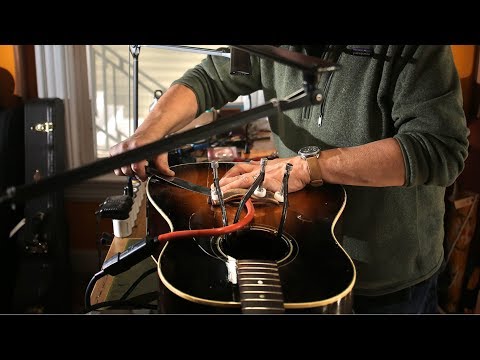
Photo: Henry Heatly from Chicago, United States of America (CC BY-SA 2.0)
Job description
The work involves disassembling an instrument to locate what's wrong, then repairing or replacing parts like strings, bridges, felts, or keys using hand and power tools, glue, or resin. Tuning itself means comparing an instrument's pitch against a tuning tool and adjusting string tension or other components until it's accurate. Because instrument families differ so much (strings, wind, reed, percussion), many repairers specialize in one type, and the work overall is precise and highly procedural, with real time pressure when a musician needs an instrument back for a performance.
Pros
- Specialized craft combining hands-on repair skill with musical knowledge, often allowing specialization like piano tuning
- Comfortable, climate-controlled indoor work environment
- High autonomy, exercising significant independent judgment on each instrument
Cons
- Very small occupation nationwide (around 600 jobs), with slower than average projected growth
- Pay ceiling well below many other skilled trades, topping out near $72k
- Precision, highly structured work with little margin for error on delicate, valuable instruments
A typical day
The bench opens with a middle schooler's clarinet that arrived in yesterday's repair batch — three bent keys and a torn pad, an hour's careful work with pad irons and spring hooks. Mid-morning is a house call: a piano tuning at a client's home, forty minutes of hammer-and-mute work pulling 200-plus strings to pitch by ear and meter, plus a sticky key fixed while the toolbox is open. Back at the shop after lunch, a violin waits with an open seam that needs hide glue and clamps, and a trumpet with a stuck slide gets freed without a scratch. The satisfying finale is play-testing each finished instrument — the repairer's ear is the final quality check — before calling owners for pickup.
Tasks at the job
- Adjust string tensions to tune instruments, using hand tools and electronic tuning devices.
- Reassemble instruments following repair, using hand tools and power tools and glue, hair, yarn, resin, or clamps, and lubricate instruments as necessary.
- Disassemble instruments and parts for repair and adjustment.
- Repair or replace musical instrument parts and components, such as strings, bridges, felts, and keys, using hand and power tools.
- Inspect instruments to locate defects, and to determine their value or the level of restoration required.
- Compare instrument pitches with tuning tool pitches to tune instruments.
Workplace & working conditions
Work happens indoors in a climate-controlled setting. Noise levels can be distracting or uncomfortable. The role involves regular exposure to hazardous equipment or conditions and contaminants, and standard protective equipment (gloves, safety glasses, and similar) is expected.
The pace is often fast, with real time pressure to meet deadlines, and you're expected to exercise significant independent judgment day to day. Precision and accuracy are essential to the work, and the work is highly structured, following set procedures.
Education necessary or common
Vocational training, apprenticeship, or associate's degree
Licenses & certifications
- Band instrument repair certificate (e.g. from a NAPBIRT-recognized program)
- Piano Technicians Guild RPT credential (for piano specialization)
Career path
Related fields
Courses to take
- Band or Orchestra — you must play and understand the instruments you'll fix
- AP Music Theory — trained ears are professional equipment
- Physics — acoustics, vibration, and mechanics explain every repair
- Woodshop and Metal Shop — the hand skills of the trade
- Chemistry — glues, solvents, lacquers, and metals
Clubs, activities & competitions
- Serve as your band's instrument manager or repair helper
- SkillsUSA — precision craft competitions
- Fix-it projects: buy broken thrift-store instruments and restore them
- Piano lessons plus exposure to tuning when the tuner visits
First steps you can take now
- Buy a broken student instrument cheap online and restore it with videos and patience
- Ask your band director to introduce you to the shop that services the school's instruments
- Watch a piano tuner work — most will happily narrate for a curious student
- Look up band instrument repair programs (only a handful exist nationally, and shops recruit from them)