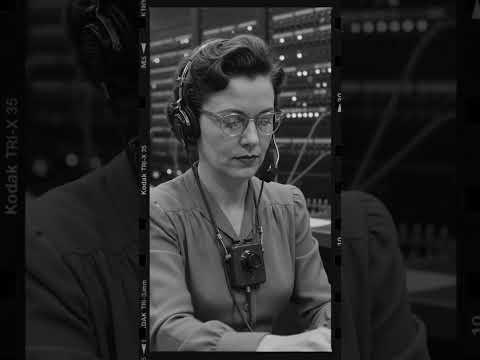
Photo: Seattle Municipal Archives from Seattle, WA (CC BY 2.0)
Job description
Operators watch signal lights on a switchboard and dial or press buttons to complete connections for local, long-distance, mobile, and emergency calls, referring to alphabetical or geographical directories when a caller needs a listing. They also help with billing questions, like charges to a third party or credits for a bad connection, and offer special assistance to callers who can't dial themselves or who are in an emergency. Much of the day is spent seated at a desk in a busy, noisy setting, working as part of a team to keep connections and information moving quickly.
Pros
- Low barrier to entry with just a high school diploma and a short training period
- Pay can reach nearly $63k for those who stay in the field
- Meaningful role assisting people in emergencies or with disabilities who need dialing help
Cons
- Employment is projected to shrink dramatically (-27.5%), one of the steepest declines here
- Extremely small and shrinking field with only 300 positions nationwide left
- Regularly deals with frustrated callers in a noisy, high-pressure switchboard environment
A typical day
The board lights up at 8am -- a caller needs a hospital department but only knows a doctor's last name, and the operator's directory skills close the gap in seconds. The morning mixes routine connections with the calls that matter: an emergency line routed instantly, a confused elderly caller walked patiently to the right extension. Midday brings the overhead pages and code announcements that hospital operators handle with practiced calm. By shift's end, hundreds of connections have been made, and the log shows a day measured in other people's solved problems.
Tasks at the job
- Update directory information.
- Observe signal lights on switchboards, and dial or press buttons to make connections.
- Operate telephone switchboards and systems to advance and complete connections, including those for local, long distance, pay telephone, mobile, person-to-person, and emergency calls.
- Listen to customer requests, referring to alphabetical or geographical directories to answer questions and provide telephone information.
- Offer special assistance to persons such as those who are unable to dial or who are in emergency situations.
- Suggest and check alternate spellings, locations, or listing formats to customers lacking details or complete information.
Workplace & working conditions
Work happens indoors in a climate-controlled setting, and most of the day is spent sitting at a desk. Noise levels can be distracting or uncomfortable.
There's a regular, moderate amount of time pressure. You'll regularly deal with frustrated or upset people as part of the job, and almost all of the work is done as part of a team.
Education necessary or common
High school diploma; some on-the-job training or apprenticeship
Related fields
Courses to take
- English -- diction and courtesy under time pressure
- Computer applications -- console and directory systems
- Health -- hospital operators need medical department fluency
- Spanish or another local language -- callers come in every language
Clubs, activities & competitions
- School front-office or attendance aide duty
- Volunteer reception at a hospital or nonprofit
- Customer-service part-time work
- First aid/CPR certification
First steps you can take now
- Volunteer at a hospital information desk
- Practice calm, clear phone etiquette with scripts
- Learn how emergency call routing works in a large building
- Ask an operator or dispatcher what the hardest calls teach