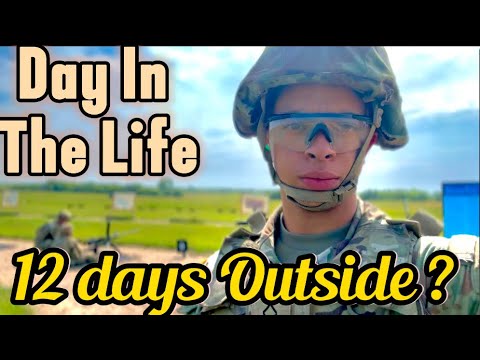
Photo: 7th Army Training Command from Grafenwoehr, Germany (CC BY 2.0)
Job description
Depending on the branch, that might mean handling guns and howitzers in ground combat, missiles and rockets in air defense, or torpedoes launched from a ship or submarine. Between fire missions, crew members test and inspect ammunition, run routine maintenance on the weapons systems, and keep radio or wire communications open to relay targeting data. The job alternates between quiet stretches of drills and maintenance and short bursts of intense, precisely timed action, where split-second coordination with forward observers determines whether a target is hit safely.
Pros
- Specialized technical training operating advanced targeting, firing, and launch computer systems
- Clear, tangible sense of mission impact when a fire mission is coordinated accurately
- Variety across roles (field, air defense, naval artillery) offers different specialization paths
Cons
- Real physical risk from heavy equipment, munitions, and loud noise on the job
- Requires strict, unwavering adherence to safety procedures given the danger involved
- Above-average hours, with routine stretches interrupted by sudden, high-intensity fire missions
A typical day
The gun line wakes before dawn for occupation drills: emplacing the howitzer, laying it for direction, and being ready to fire in minutes because speed is survivability. When fire missions come down, the crew moves as one rehearsed machine — one soldier setting the fuze, another cutting propellant charges, the gunner spinning traverse and elevation to the commanded quadrant, rounds downrange in under a minute with everyone's hearing protection doubled. Between missions there's ammunition accountability, camouflage improvement, and maintenance on the piece. Missile crews live a more electronic version: launcher diagnostics, reload drills, and long alert shifts where readiness is the mission.
Tasks at the job
- Load, aim, and fire artillery guns, howitzers, or missile systems according to targeting data.
- Test, inspect, and maintain ammunition, missiles, or torpedoes before use.
- Operate weapons targeting, firing, and launch computer systems.
- Establish and maintain radio or wire communications to coordinate fire missions.
- Perform routine and preventive maintenance on weapons and related equipment.
- Coordinate with forward observers or other units to adjust fire onto a target.
Workplace & working conditions
Work happens outdoors at gun or launch positions or aboard ships and vehicles, in all weather conditions, around heavy equipment, loud noise, and munitions that require careful handling.
The pace shifts from routine maintenance and drills to intense, precisely timed action during a fire mission, where accuracy and coordination with other units directly affect whether a target is hit safely. The role carries real physical risk from the weapons and munitions involved and requires strict adherence to safety procedures.
Education necessary or common
—
Licenses & certifications
- ASVAB qualification and artillery crew training (earned in service)
Career path
Courses to take
- Algebra II — firing data, angles, and charges are real math done fast
- Physics — ballistics is applied mechanics
- Shop / Mechanics
- PE / weight training — artillery rounds are heavy
Clubs, activities & competitions
- JROTC
- Team sports — synchronized crew work under pressure
- Math team — comfort with quick calculation
- Scouting or outdoor club
First steps you can take now
- Talk with a recruiter about field artillery roles (13-series Army, 0811 Marines) and their ASVAB requirements
- Practice mental math for speed five minutes daily
- Build lifting strength progressively and safely
- Learn basic land navigation with map and compass