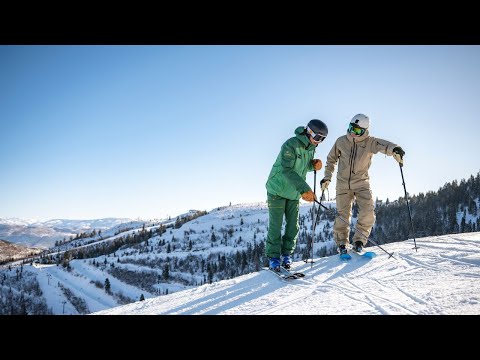
Photo: Jilloau (CC BY-SA 4.0)
Job description
Lessons involve demonstrating turns, stops, and terrain navigation, then adjusting pace and difficulty based on each student's comfort and ability, while watching for signs of fatigue or cold exposure and steering people away from unsafe terrain. Instructors also fit or advise on equipment like boots and bindings and communicate mountain safety rules and trail ratings to guests. The job is almost entirely seasonal and weather-dependent, so many instructors pick up an opposite-season job or head to a Southern Hemisphere resort during the off months.
Pros
- Often under a 45-hour week, with flexible scheduling built around resort hours
- No formal degree required, just certification through a ski or snowboard association
- Active outdoor work on the slopes instead of a desk job
Cons
- Entry-level pay is quite low and tops out around $65k even at the high end
- The job is almost entirely seasonal, often requiring a second job in the off months
- Cold, weather-dependent conditions demand physical stamina for full days outside
A typical day
The 8am lineup meeting assigns the day's lessons, and the instructor's morning is a never-ever group: six adults meeting snow for the first time, taught the wedge with games and patience on the bunny slope, the real curriculum being confidence — the moment a terrified beginner links two turns and laughs is the job's whole paycheck of meaning. Lunch is quick in the locker room. The afternoon books a private: an intermediate kid chasing parallel turns, and the instructor picks terrain one notch below panic, feeding one cue at a time because overloaded students hear nothing. Between lessons: free skiing to keep the personal edge, and clinic time working toward the next certification level, which raises both skill and pay. Storm days are product; cold is costume-managed. Winter office, mountain view.
Tasks at the job
- Teach skiing or snowboarding technique to individuals or groups at varying skill levels.
- Demonstrate turns, stops, and terrain navigation on the slopes.
- Assess a student's ability and adjust lesson pace and difficulty accordingly.
- Monitor students for signs of fatigue, cold exposure, or unsafe terrain choices.
- Fit or advise on equipment such as boots, bindings, and boards.
- Communicate mountain safety rules, trail ratings, and weather conditions to guests.
Workplace & working conditions
Work happens outdoors on ski slopes in cold, often snowy or windy conditions, standing or moving on skis for most of the shift.
The job is seasonal and weather-dependent, requiring physical stamina and comfort in the cold for full days at a time. Instructors must stay alert to injury risk on the slopes and adapt teaching style to nervous beginners and confident intermediates alike.
Education necessary or common
No formal degree required; certification through a national ski/snowboard instructor association is the standard credential and affects pay level
Licenses & certifications
- PSIA-AASI Level 1 (then 2 and 3 — each raises pay)
- CPR/First Aid
- Children's specialist accreditations
Career path
Related fields
Courses to take
- Physical Education — fitness for full days on snow
- Physics — edging, pressure, and balance are mechanics you'll teach
- Psychology — fear management and learning styles
- Speech — clear, encouraging instruction
- Spanish or another language — resort clientele is international
Clubs, activities & competitions
- Ski or snowboard club and race team
- Any coaching or camp counselor experience — teaching reps
- Freeski days with deliberate skill practice
- First aid training
First steps you can take now
- Ski or ride as much as this season allows — your skiing is the prerequisite
- Get CPR/First Aid certified
- Apply to a resort's ski school hiring clinic — many hire at 16-18 and train toward PSIA Level 1
- Teach a friend to ski once and study what worked and what didn't