Photo: U.S. Navy photo by Mass Communication Specialist 1st Class Robert Keilman (Public domain)
Job description
This umbrella title covers religious occupations that don't fit ordained clergy or director-level titles, so the specific mix of duties depends on the faith tradition and setting. A typical role might combine leading religious education classes or youth groups, organizing charitable outreach, assisting clergy with worship services or visits to the sick, and counseling individuals or families on personal matters. Because schedules follow the congregation's needs rather than a fixed workweek, evenings, weekends, and holiday events are a regular part of the job, and much of it happens with limited direct supervision.
Pros
- No single required credential, since paths into this role vary widely by faith tradition
- Meaningful, purpose-driven work supporting a community through significant life moments
- Broad, varied responsibilities spanning teaching, outreach, counseling, and event coordination rather than one narrow task
Cons
- Slower than average projected job growth over the next decade
- Schedules regularly extend into evenings and weekends to cover services and events
- Emotionally demanding work supporting people through grief, illness, and other difficult moments
A typical day
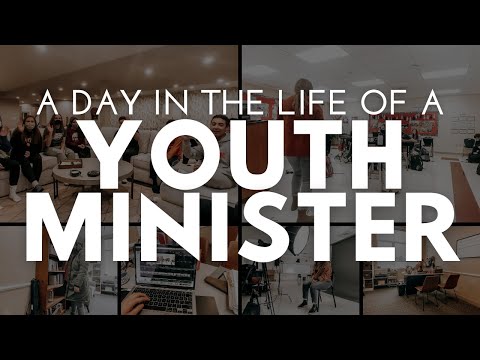
The day might belong to a parish youth minister, a hospital chaplain's assistant, or a mission coordinator, but the shape rhymes: morning starts with planning — Sunday's youth program, a retreat's logistics, a service project's headcount — and a stack of messages from families that get answered personally. Midday holds a hospital or home visit alongside clergy, learning the ministry of presence: sometimes the job is sitting with someone in silence. The afternoon turns practical — chairs to set up, volunteers to schedule, a curriculum to adapt, a social media post for the congregation. Evening is when the community gathers, so evenings are work: youth group, a class, a support circle. The pay is modest; the meaning is the compensation structure.
Tasks at the job
- Plan and lead religious education classes, youth groups, or study sessions for congregation members.
- Organize community outreach, charitable programs, or volunteer efforts on behalf of a religious organization.
- Assist clergy with worship services, ceremonies, or pastoral visits to the sick or homebound.
- Coordinate logistics for religious events, retreats, or holiday observances.
- Counsel individuals or families on spiritual, moral, or personal matters within the tradition's framework.
- Maintain records of membership, donations, or program participation for the organization.
Workplace & working conditions
This category covers religious occupations that don't fit ordained clergy or director-level titles, so the exact setting depends on the specific role and faith community; most work happens indoors at a house of worship, school, or community center, with some travel to visit members or attend events.
Schedules often extend beyond a standard workweek to cover evening or weekend services and events, and the role calls for steady interpersonal contact with people going through significant life moments -- births, illness, grief, celebration. Independent judgment matters since day-to-day decisions are often made without close supervision.
Education necessary or common
—
Common college majors
Licenses & certifications
- Tradition-specific certifications or commissioning (varies)
- Clinical Pastoral Education units (for chaplaincy paths)
Courses to take
- English — teaching and communication anchor the work
- Psychology — pastoral care is applied empathy
- World Religions or Philosophy electives — theological literacy
- Speech — leading groups and occasional public teaching
- Music — worship contexts value it widely
Clubs, activities & competitions
- Youth group leadership at your own congregation
- Volunteer service: food pantries, mission trips, tutoring
- Peer counseling
- Choir or worship band
First steps you can take now
- Take a visible serving role in your congregation this month
- Ask your youth minister or a chaplain what their week really involves
- Get trained in basic mentoring or peer support
- Read one book on vocation and calling in your tradition