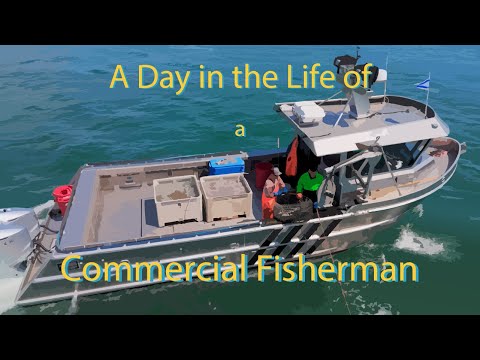
Photo: Robert K. Brigham (Public domain)
Job description
The job covers the full cycle of a catch: navigating to the fishing grounds, often using sonar to locate fish, deploying and hauling in nets, traps, or longlines, then sorting, cleaning, and storing the catch on ice or in refrigerated holds before it spoils. Fishermen also maintain and repair boat engines, winches, and gear themselves, and track catch quotas to stay within fisheries regulations. Instead of a steady paycheck, most crew members earn a percentage of what the boat brings in, so a strong season can pay off well while a slow one can mean going home with very little. The physical toll and genuine danger of the work (long shifts, cold and wet conditions, and real risk from heavy machinery and rough seas) put it among the riskier jobs a civilian can hold; most fishermen learn the trade entirely on the job, often starting as a deckhand.
Pros
- No formal education required, learn the trade directly as a deckhand
- Pay can reach $90k, well above many jobs with similar education requirements
- Hands-on, outdoor work with direct, tangible results each trip
Cons
- Among the more hazardous civilian occupations by injury and fatality rate
- Very long hours, up to 80 per week, with little sleep during active fishing
- Income varies significantly by season and catch rather than a fixed wage
A typical day
The engine turns over before sunrise, and the boat runs an hour to the grounds while the crew rigs gear and the captain reads sonar and weather. Then the work is relentless: setting and hauling nets or pots, sorting the catch on a moving deck with cold spray coming over the rail, icing fish in the hold to keep quality up and price with it. Meals happen when the gear allows; sleep on a multi-day trip comes in short shifts. Back at the dock, the catch gets weighed and sold, gear gets mended, and the engine that coughed on the way in gets looked at — because on a boat, everyone is also a mechanic.
Tasks at the job
- Operate and navigate fishing vessels to and from fishing grounds, often using sonar to locate fish.
- Deploy and retrieve nets, traps, longlines, or other gear to catch fish or shellfish.
- Sort, clean, and store the catch on ice or in refrigerated holds to preserve quality.
- Maintain and repair boat engines, winches, and fishing gear.
- Track catch quotas and complete required reporting to comply with fisheries regulations.
Workplace & working conditions
Work happens on the open water, often far from shore for days or weeks at a stretch, in cold, wet, and physically demanding conditions regardless of weather, with real risk from heavy machinery, rough seas, and long hours.
The pace is intense and dictated by weather windows, tides, and fish runs, often meaning long shifts with little sleep during active fishing. The work is physically grueling and carries genuine occupational hazard, among the higher-risk jobs by injury and fatality rate.
Education necessary or common
No formal degree required; skills are learned on the job, often starting as a deckhand
Licenses & certifications
- USCG safety training (drill conductor, first aid/CPR)
- Merchant Mariner Credential for larger vessels
- State commercial fishing license/permits
Career path
Related fields
Courses to take
- Marine Science or Biology — knowing the species and the ecosystem is the trade
- Auto/Diesel Shop — engines fail at sea; the crew fixes them
- Geometry — navigation and net geometry
- PE/Weight Training — the job is heavy labor in bad footing
- Business Math — a fisherman is paid on shares; understand the math
Clubs, activities & competitions
- Sport fishing — learn water, weather, and fish behavior
- Sea Scouts or sailing club
- Swim team or lifeguarding — survival skill, not hobby
- Summer dock work at a marina or fish processor
First steps you can take now
- Get a summer job at a marina, bait shop, or fish market to enter the world
- Take a boating safety course and learn basic navigation
- Ask a charter captain or commercial fisherman about deckhand opportunities
- Learn to tie ten working knots and splice a line