Photo: Rstpch (CC BY-SA 4.0)
Job description
Rehearses and executes falls, fights, crashes, and other dangerous action under a stunt coordinator's direction, often doubling for a specific actor. Before each take, performers inspect their own safety gear (air bags, harnesses, wires, pyrotechnics) and coordinate timing with camera operators and the rest of the stunt team so the action reads as real on screen. The work is project-based and physically demanding, with long waits between takes followed by short bursts of real risk, and safety training plus a proven track record are what drive who gets hired.
Pros
- Top earners can clear $150k on high-profile film and TV productions
- No formal degree required, entry is built on demonstrated physical skill and training
- Hands-on, physically active work with real variety across different stunts and genres
Cons
- Entry-level pay can be quite low and bookings are inconsistent between projects
- Real risk of serious injury from falls, fire, or vehicle stunts despite safety gear
- Jobs are short-term and project-based, so steady year-round income isn't guaranteed
A typical day
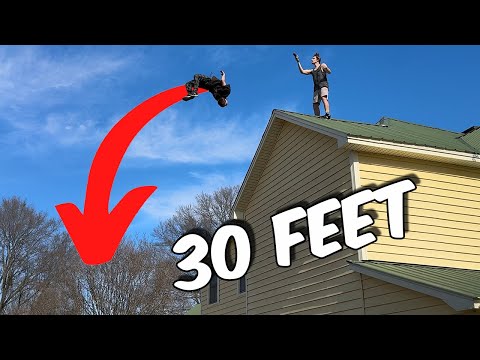
Call time is 7am, but the stunt was designed days ago -- today is execution: a two-story fall onto boxes and pads rigged and re-checked by the stunt coordinator all morning. Rehearsals run at half speed, then full speed with crash mats, while wardrobe hides pads exactly where the fall will land. The actual take is seconds long; the reset takes forty minutes, and it may run five more times before the director is happy. Between setups there's stretching, ice, and conditioning talk, because a stunt performer's body is the entire business and it has to work again tomorrow.
Tasks at the job
- Rehearse falls, fights, crashes, or other high-risk sequences with directors, stunt coordinators, and safety crews before filming.
- Perform choreographed physical action -- fights, falls, car work, fire gags, or high falls -- in place of an actor for a scene.
- Wear costumes, padding, or protective rigging designed to disguise safety gear from the camera.
- Inspect equipment such as air bags, harnesses, wires, and pyrotechnics before each take.
- Coordinate timing and camera angles with the stunt team, camera operators, and actors to make the action look real.
- Train continuously in disciplines like martial arts, gymnastics, driving, or diving to stay ready for varied stunt work.
Workplace & working conditions
Work happens on film and television sets, both on soundstages and outdoor locations, and can involve heights, water, fire, or moving vehicles depending on the stunt.
The pace shifts between long waits between takes and short bursts of intense physical risk, and a single mistimed move can cause serious injury. Jobs are typically short-term and project-based, and physical conditioning is constant even between gigs.
Education necessary or common
No formal degree required; extensive training in a physical discipline (gymnastics, martial arts, diving, driving) plus a stunt-specific track record is essential
Career path
Related fields
Courses to take
- Physical education and weight training -- the body is the instrument
- Physics -- falls, vectors, and energy absorption are survival knowledge
- Theater -- stunts are performance, and set literacy matters
- Anatomy or health -- injury prevention and recovery
- Film/media production -- how shots are built and sold
Clubs, activities & competitions
- Gymnastics, martial arts, diving, or parkour training -- pick two and go deep
- School theater stage combat workshops
- Cheer or acro teams -- aerial awareness
- Make short action films with friends -- learn how stunts read on camera
First steps you can take now
- Train consistently in a foundational discipline like gymnastics or martial arts
- Take a certified stage combat class through SAFD or a local theater
- Film a safe, simple action sequence and study how professionals sell impact
- Read how stunt performers actually break in -- training, networking, and the SAG-AFTRA path