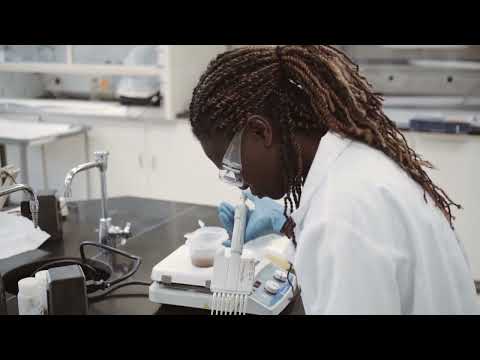
Photo: Science and such (CC0)
Job description
Depending on specialty, a soil and plant scientist might run experiments to breed new crop varieties for better yield, disease resistance, or climate adaptation, or investigate the chemical and biological makeup of soil to understand water quality problems or erosion. Findings often turn into direct recommendations for farmers and landowners on how to use land, promote plant growth, or fix issues like poor soil productivity, and some scientists classify and map soils as part of that work. It's structured, desk- and lab-based research requiring at least a master's degree, with a PhD standard for most positions in the field.
Pros
- Faster than average projected job growth (5.4%) reflects rising demand for agricultural research
- High upside earning potential up to $138k in research and industry roles
- Direct, practical impact helping farmers improve yields and manage land sustainably
Cons
- Requires a master's or PhD, a lengthy graduate education path before entering the field
- A relatively small number of positions nationwide (1,700) limits where jobs are located
- Entry-level pay starts modestly at under $49k despite the advanced degree requirement
A typical day
The morning is in the field, pulling soil cores from a test plot and logging moisture and compaction readings before the sun gets high. Back at the lab by 11, samples get run for nitrogen, phosphorus, and pH while yesterday's numbers get entered against the season's trend line. After lunch there's a call with a farmer whose corn is yellowing in one corner of a field -- the data points to a drainage problem, not a nutrient one. The afternoon closes writing up a fertilizer recommendation and prepping seeds for a greenhouse germination trial.
Tasks at the job
- Communicate research or project results to other professionals or the public or teach related courses, seminars, or workshops.
- Provide information or recommendations to farmers or other landowners regarding ways in which they can best use land, promote plant growth, or avoid or correct problems such as erosion.
- Conduct experiments to develop new or improved varieties of field crops, focusing on characteristics such as yield, quality, disease resistance, nutritional value, or adaptation to specific soils or climates.
- Investigate soil problems or poor water quality to determine sources and effects.
- Investigate responses of soils to specific management practices to determine the use capabilities of soils and the effects of alternative practices on soil productivity.
- Conduct experiments to investigate the underlying mechanisms of plant growth and response to the environment.
Workplace & working conditions
Work happens indoors in a climate-controlled setting.
There's a regular, moderate amount of time pressure, and you're expected to exercise significant independent judgment day to day. The work is highly structured, following set procedures.
Education necessary or common
Master's degree or Doctor of Philosophy (PhD) in soil science, agronomy, or a related field
Common college majors
Licenses & certifications
- Certified Crop Adviser (CCA)
- Certified Professional Soil Scientist (CPSS)
Career path
Related fields
Courses to take
- AP Biology -- plant science starts here
- AP Chemistry -- soil analysis is applied chemistry
- AP Environmental Science -- ties soil, water, and land management together
- AP Statistics -- field trials produce data that must be analyzed
- Agriculture electives where offered -- direct exposure to the field
Clubs, activities & competitions
- FFA -- the definitive pipeline into agricultural science, with real competitions
- 4-H -- hands-on plant and land projects
- Science Olympiad -- events on ecology and experimental design
- Start or join a school garden -- a living test plot
First steps you can take now
- Buy a cheap soil test kit and test three different soils around your neighborhood
- Grow the same plant in two soil types and document the difference
- Visit a county extension office and ask an agent what they actually do
- Take a free online course on soil science or agronomy basics