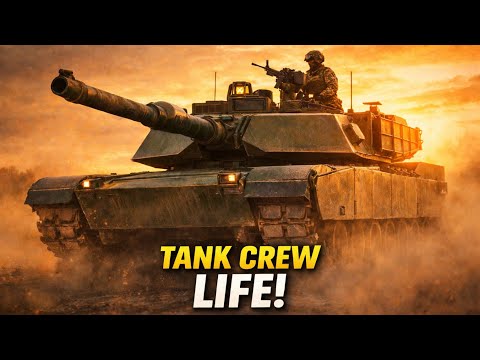
Photo: DVIDSHUB (CC BY 2.0)
Job description
Planning goes well beyond a single vehicle: officers coordinate tactical maneuvers across infantry, artillery, and air support units, then brief commanders and fellow unit leaders on how the mission is unfolding. A significant part of the role is training crews themselves, on vehicle operation, gunnery, and maintenance standards, and confirming equipment is genuinely combat-ready before missions or exercises begin. Deployment and training rotations mean extended time working, eating, and sleeping in the field or inside vehicles, balanced against more structured planning and briefing time back in garrison. Ultimate responsibility for crew safety and mission outcomes rests with the officer, which means enforcing safety protocols strictly, especially during live-fire exercises.
Pros
- Direct leadership experience early in a career, commanding a crew or platoon in high-stakes situations
- Hands-on work with advanced vehicle, weapons, and communications systems rather than a desk job
- Structured training and command path with clear progression through military rank
Cons
- Above-average hours, expect more than a standard 40-hour work week
- Extended stretches working, eating, and sleeping outdoors or inside vehicles during training and deployment
- Carries direct responsibility for crew safety, with real consequences riding on time-pressured decisions
A typical day
A tank platoon leader's field day starts before the sun: receiving the operations order, then briefing four tank crews on the mission — routes, formations, engagement criteria — translated onto a map board with grease pencil. During the exercise the lieutenant fights the platoon from their own tank, juggling the radio's three simultaneous conversations while tracking where sixteen soldiers and four vehicles are and should be. The after-action review is where the real learning happens, seniors and juniors critiquing candidly. Garrison days trade terrain for paperwork: maintenance reports, training schedules, soldiers' promotion packets, and the quiet work of knowing each crew member well enough to lead them.
Tasks at the job
- Lead and direct a crew or platoon operating tanks, light armor, or amphibious assault vehicles in training and combat.
- Plan and oversee tactical maneuvers, coordinating with infantry, artillery, or air support.
- Train crew members on vehicle operation, gunnery, and maintenance standards.
- Inspect vehicles and equipment to confirm combat readiness before missions or exercises.
- Brief superiors and coordinate with other unit leaders on mission plans and status.
- Enforce safety protocols and standard operating procedures during live-fire and field exercises.
Workplace & working conditions
Work happens in and around armored combat vehicles in the field, in all climates and weather, with time split between vehicle interiors, outdoor training areas, and command posts.
The role carries direct responsibility for crew safety and mission success under real time pressure, requiring quick decisions with significant consequences. Training and deployment involve extended stretches working, eating, and sleeping outdoors or in vehicles, alongside more structured planning and briefing time in garrison.
Education necessary or common
—
Common college majors
Licenses & certifications
- Officer commission and Armor Basic Officer Leader Course (earned in service)
Career path
Courses to take
- AP U.S. History or AP U.S. Government
- AP English Language — orders and evaluations are writing under pressure
- Precalculus or AP Calculus AB
- PE / fitness
- Geography — map reading is a command skill
Clubs, activities & competitions
- JROTC leadership roles
- Varsity team captaincy
- Boys/Girls State
- Scouting leadership (Eagle/Gold)
First steps you can take now
- Research Army ROTC scholarships and West Point admissions timelines — both start junior year
- Interview an armor or combat-arms officer about branch selection and lieutenant life
- Take on the leadership role in something with real stakes this semester
- Build land-navigation skills: learn to use a lensatic compass and topographic map