Photo: Shixart1985 (CC BY 2.0)
Job description
The job typically starts with reading a work order or diagram to figure out how components fit together, then using hand tools or small machines to fit, fasten, and join the pieces. Once a product is assembled, workers check it against quality standards, repositioning any parts that don't fit correctly, before packaging it for shipment or the next stage of production. Most of this happens standing at a fixed workstation or moving along an assembly line, with production quotas, not the worker's own pace, setting the rhythm of the shift.
Pros
- No formal education required to start, assembly skills are learned directly on the job
- Structured, hands-on work assembling parts into finished, tangible products
- Clear daily output inspecting and completing products rather than open-ended tasks
Cons
- Above-average hours are common, often exceeding a standard 40-hour work week
- Repetitive, precise motions must be performed consistently across a full shift
- Pace is often dictated by production quotas or line speed, limiting autonomy
A typical day
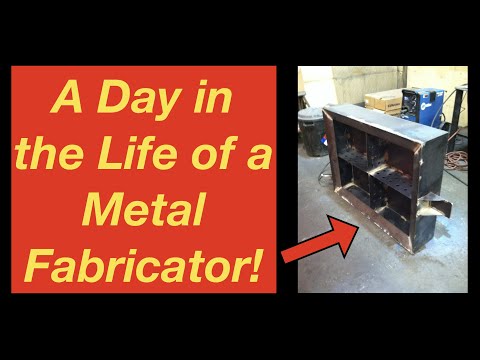
The line meeting at shift start covers today's build targets and a quality alert from yesterday — a batch of housings with a misaligned gasket that everyone now checks twice. At the station, the rhythm sets in: pick, fit, fasten, verify, repeat, with a torque driver that logs every cycle and a checklist that isn't optional. Mid-shift the product changes over, meaning new fixtures and a first-article inspection before the line runs full speed. An experienced fabricator might spend the afternoon off-line building a custom weldment or jig from a drawing. Feet get tired; hands get skilled; the count on the board at day's end is the scoreboard.
Tasks at the job
- Assemble components or parts into finished products according to specifications or blueprints.
- Operate hand tools or small machines to fit, fasten, or join parts.
- Inspect assembled products for defects or deviations from quality standards.
- Read work orders or diagrams to determine assembly sequence and materials needed.
- Adjust or reposition parts that don't fit correctly during assembly.
- Package or prepare finished products for shipment or the next stage of production.
Workplace & working conditions
Work happens on a factory or production floor, often standing at a workstation or moving along an assembly line for most of a shift.
The pace is often set by production quotas or line speed, requiring repetitive, precise motions performed consistently across a shift. Noise, machinery, and standing for long periods are typical, and the work is closely structured around set procedures.
Education necessary or common
—
Licenses & certifications
- OSHA 10
- MSSC Certified Production Technician (optional)
- AWS entry welding certs (for fabrication paths)
Courses to take
- Shop / Manufacturing Technology
- Geometry — reading drawings and checking dimensions
- Algebra
- Physical Science
Clubs, activities & competitions
- SkillsUSA
- FIRST Robotics — team builds mirror production teamwork
- Any maker hobby: models, furniture, bikes
- Part-time work in any hands-on setting
First steps you can take now
- Ask local manufacturers about tours, summer roles, or youth apprenticeships — many regions run manufacturing career pathways for students
- Learn to measure with calipers and read a simple blueprint
- Take the OSHA 10 general industry course
- Build something to a written spec you set in advance and hold yourself to the tolerances