Photo: Guy WF Loftus (CC0)
Job description
Because this title groups together media jobs that don't fit a narrower category, the actual day varies: drafting a script or article, fact-checking a piece before it airs or publishes, pitching a new story or campaign angle, or tracking how a past piece performed and adjusting the next one. What ties it together is producing content on deadline for a defined audience, using editing and publishing software to get it out the door, and exercising judgment about what's newsworthy or on-message while still answering to an editor or client. Careers in this space often move between platforms (print, broadcast, digital, social) or between staff and freelance work over time.
Pros
- Pay can reach up to $134k at the high end for a field with varied entry points
- Creative, varied work spanning writing, editing, and audience strategy rather than one narrow task
- Faster than average projected job growth (2.7%) as media platforms keep expanding
Cons
- Above-average hours, often more than a standard 40-hour week
- Deadline-driven pace where a story or campaign must go out on schedule regardless of readiness
- Constant accuracy pressure, since errors can damage credibility or trigger public correction
A typical day
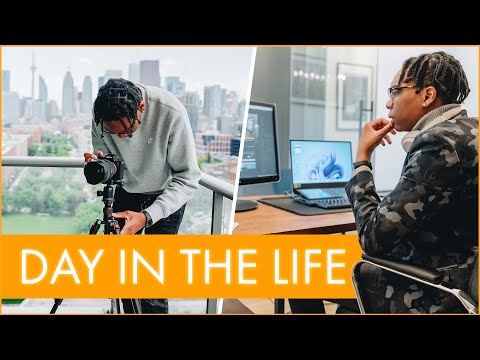
The morning starts with a content calendar check and a scan of overnight analytics to see which posts landed. By mid-morning there's a draft due — maybe a script for a client video, maybe web copy — so headphones go on and the writing sprint begins. Lunch doubles as a call with a producer or editor hashing out revisions. The afternoon swings between recording, editing, and coordinating with designers, and the day usually ends by scheduling tomorrow's posts and answering the messages that piled up while the real work got done.
Tasks at the job
- Research, write, or edit content -- articles, scripts, press materials, or social posts -- for a specific audience.
- Coordinate with editors, producers, or clients to plan coverage or messaging ahead of deadlines.
- Fact-check, proofread, or review content before it's published or broadcast.
- Monitor audience engagement or media coverage and adjust strategy accordingly.
- Use editing, publishing, or content-management software to prepare material for release.
- Pitch story ideas, campaigns, or angles to editors, clients, or producers.
Workplace & working conditions
This is a broad catch-all spanning many media and communications roles, so the specific setting varies, but most such work happens indoors at a computer, in a newsroom, studio, or office, often on tight deadlines.
Deadlines drive much of the pace -- a story, broadcast, or campaign has to go out on schedule -- and accuracy matters since errors can damage credibility or invite correction. The work often requires independent judgment about what's newsworthy, relevant, or on-message, balanced against editorial or client oversight.
Education necessary or common
—
Common college majors
Courses to take
- AP English Language and Composition — persuasive, audience-aware writing is the core skill
- Journalism — deadline writing and editing in a real newsroom workflow
- Digital Media or Video Production — hands-on camera, audio, and editing experience
- AP Psychology — understanding what makes audiences pay attention
- Speech and Debate — clear verbal communication translates to every medium
Clubs, activities & competitions
- School newspaper or broadcast program — a real publishing cadence with editors and deadlines
- Journalism Education Association (JEA) student media contests
- Run a niche podcast, YouTube channel, or newsletter and grow it deliberately
- Yearbook staff — layout, captions, and photo editing under deadline
First steps you can take now
- Start publishing on one platform this month — a blog, podcast, or short-video account — and post weekly
- Interview someone who works in media locally (a radio producer, reporter, or social media manager) about their actual day
- Take a free online course in audio or video editing (DaVinci Resolve and Audacity are free tools)
- Offer to run social media for a school club or local nonprofit to build a small portfolio