Photo: Ar945 (CC0)
Job description
A typical day mixes brief, high-volume clinic visits, examining skin, hair, and nails and biopsying anything suspicious, with occasional in-office procedures like mole removal, cryotherapy, or laser treatment that call for precise technique. Reading a mole or lesion correctly matters enormously, since catching a melanoma early can be the difference between a minor excision and a life-threatening spread, even though most visits move at a calm, scheduled pace. Beyond direct patient care, dermatologists spend time counseling people on sun safety and screening schedules, and referring anything requiring surgery or systemic treatment to another specialist. It's one of the most competitive residency matches in medicine, but it also offers some of the more predictable hours among physician specialties.
Pros
- Pay reaches up to $500k, with strong pay even at the entry level
- Comparatively predictable hours relative to many other medical specialties
- Mix of medical and cosmetic work adds variety to the daily patient load
Cons
- Above-average hours are common, often exceeding a standard 40-hour work week
- One of the most competitive residency matches to get into in all of medicine
- Missing an early melanoma carries real life-or-death diagnostic stakes
A typical day
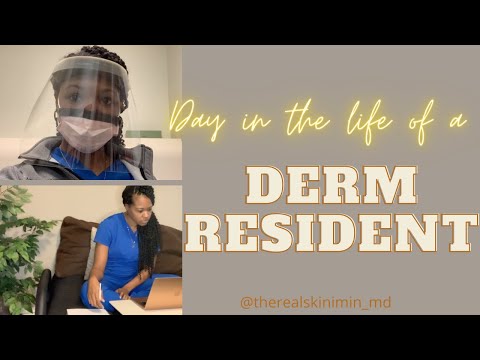
Clinic starts at 8 with a full-body skin check on a patient whose father had melanoma: methodical, quadrant by quadrant, dermatoscope over anything irregular — and one lesion on the shoulder blade earns a biopsy, done in-office in ten minutes with the pathology form filled before the next room. The morning cycles through acne follow-ups, a stubborn eczema flare needing a therapy change, a toddler's rash that's reassuringly ordinary, and cryotherapy on actinic keratoses. Pathology results from last week get reviewed at lunch — one basal cell carcinoma to call personally and schedule for excision. The afternoon mixes medical and cosmetic: a laser session, a few injectables, and the revenue reality that cosmetic work subsidizes the medical mission in many practices. Skin is visible; patients feel their conditions socially, and treating that burden well is the quiet reward.
Tasks at the job
- Examine skin, hair, and nails to diagnose conditions such as acne, eczema, or skin cancer.
- Perform biopsies and review pathology results to confirm diagnoses.
- Prescribe topical, oral, or injectable treatments for skin conditions.
- Perform in-office procedures such as mole removal, cryotherapy, or laser treatments.
- Counsel patients on skin cancer prevention and screening schedules.
- Refer patients to specialists for conditions requiring surgery or systemic treatment.
Workplace & working conditions
Work happens in outpatient clinic exam rooms, often equipped with dermatoscopes, lasers, and minor-procedure tools.
Most visits proceed at a steady, scheduled pace, though catching a melanoma early carries real life-or-death stakes that demand careful visual diagnosis. The role balances brief, high-volume patient visits with occasional in-office procedures requiring precise technique.
Education necessary or common
Doctor of Medicine (MD) or Doctor of Osteopathic Medicine (DO), plus residency in dermatology
Common college majors
Licenses & certifications
- MD or DO degree
- Dermatology residency
- American Board of Dermatology certification
- State medical license
Career path
Related fields
Courses to take
- AP Biology — premed core
- AP Chemistry — organic chemistry's foundation
- Anatomy & Physiology — skin is the body's largest organ
- AP Statistics — medical evidence literacy
- AP Psychology — visible conditions carry psychological weight
Clubs, activities & competitions
- HOSA (Future Health Professionals)
- Science Olympiad anatomy events
- Hospital or clinic volunteering
- Research summer programs for pre-med students
First steps you can take now
- Shadow any physician first — dermatology shadowing usually follows a general connection
- Learn the ABCDE melanoma rule and how sunscreen actually works
- Volunteer in any patient-facing healthcare setting
- Map the full path honestly: college, MD/DO, then a highly competitive dermatology residency