Photo: Myblueberet (CC BY-SA 4.0)
Job description
A shift usually starts with setting time and speed controls on mixers or steam kettles so ingredients combine the right way, then shaping and placing dough into pans, molds, or sheets before it goes into a production oven or onto a grill. Bakers also check incoming ingredients for quality and keep equipment clean and up to health and safety standards, on top of the hands-on decorating work. Depending on the employer, a small retail bakery versus a large-scale food manufacturer, the job can range from careful small-batch decorating to running high-volume equipment on a tight production schedule.
Pros
- Large job market with nearly 40,000 positions nationwide
- Faster than average projected job growth (5.6% over the next decade)
- Hands-on creative craft work, from mixing recipes to decorating finished products
Cons
- Limited upside on pay, with a ceiling under $49k
- Entry-level pay can be quite low
- Fast-paced, early-hour production schedules with real time pressure to meet baking deadlines
A typical day
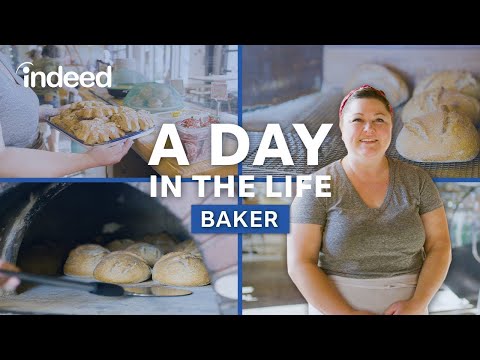
The ovens are on at 3am, and the first hours run on choreography: yesterday's cold-proofed baguettes scored and loaded, croissants egg-washed, the mixer building tomorrow's dough while today's bakes. By 6 the racks are filling and the smell reaches the street. The baker's hands read dough all shift — too slack means adjusting hydration on the next batch, because flour changes with the weather. Mid-morning brings the wholesale orders packed for cafés, a special-order cake layered and crumb-coated, and inventory counts that decide tonight's mix schedule. Cleanup is scrupulous; flour dust and butter get everywhere. The day ends at 1pm, tired in the specific, satisfied way of work you can taste.
Tasks at the job
- Place dough in pans, molds, or on sheets, and bake in production ovens or on grills.
- Set time and speed controls for mixing machines, blending machines, or steam kettles so that ingredients will be mixed or cooked according to instructions.
- Check the quality of raw materials to ensure that standards and specifications are met.
- Check equipment to ensure that it meets health and safety regulations, and perform maintenance or cleaning, as necessary.
- Apply glazes, icings, or other toppings to baked goods, using spatulas or brushes.
- Order or receive supplies or equipment.
Workplace & working conditions
Work happens indoors in a climate-controlled setting, and most of the day is spent on your feet. Standard safety equipment like gloves or safety glasses is commonly worn.
The pace is often fast, with real time pressure to meet deadlines, and you're expected to exercise significant independent judgment day to day. The work is highly structured, following set procedures.
Education necessary or common
High school diploma; some on-the-job training or apprenticeship
Licenses & certifications
- Food handler's card
- ServSafe certification
- RBA Certified Baker (later-career, optional)
Career path
Related fields
Courses to take
- Culinary Arts / Baking courses if your school or career center offers them
- Chemistry — fermentation, gluten, and leavening are chemistry with butter
- Algebra — baker's percentages and batch scaling
- Business math — most bakers eventually price their own goods
- Health/Food Safety
Clubs, activities & competitions
- FCCLA — culinary and baking competitions
- SkillsUSA baking and pastry contests
- Bake for school fundraisers and events
- Part-time work at a bakery, grocery bakery, or café
First steps you can take now
- Bake bread weekly for a month, keeping a log of hydration, timing, and results like a professional
- Get a food handler's card (cheap, online, and door-opening)
- Ask a local bakery about early-morning helper or counter work
- Learn baker's percentages and scale one recipe up and down accurately