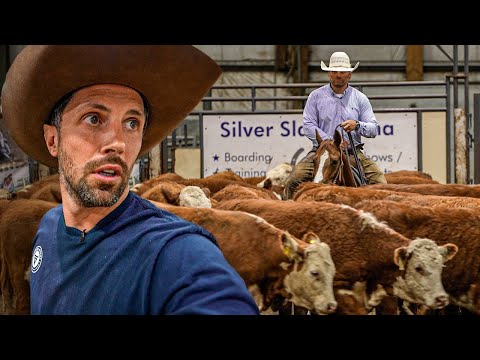
Photo: Thank you for visiting my page from Canada (CC BY 2.0)
Job description
A competitor's life revolves around travel: entering event after event, paying entry fees for a shot at prize money, and training and conditioning the horses many events depend on in between. It's a career built almost entirely on practice rather than formal schooling, often starting in youth rodeo, and the physical risk is real, since falls, kicks, and being thrown are a constant threat of serious injury. Earnings swing wildly by skill and consistency: most competitors make far less than the top of the range, since prize money concentrates among a small group of riders who place reliably week after week.
Pros
- High upside earning potential up to $200k for top, consistent finishers
- No formal education required, with skill built through years of hands-on practice
- Independence and flexibility as a self-managed, self-scheduled competitor
Cons
- Entry-level and typical income is quite low and highly uneven across competitors
- Severe, constant physical risk from falls, kicks, or being thrown by animals
- Income is unpredictable, tied entirely to competition results and travel expenses
A typical day
A rodeo day starts with the drive — the circuit is a life of highways — and the afternoon arrival means checking in, drawing stock, and learning which bronc or bull fate assigned. The hours before the performance are ritual: stretching, taping wrists, rosining the rope, and studying how tonight's draw bucks from anyone who's ridden it. The event itself is eight seconds that took eight years to prepare for, scored half on the animal, half on the rider's control and spurring rhythm. After: ice, entry fees for next week wired in, and either prize money or a lesson. Between rodeos there's practice stock, gym work, and sponsor obligations. The season is long, the travel is longer, and the entry fees come out of the cowboy's own pocket.
Tasks at the job
- Compete in timed or judged rodeo events such as bull riding, roping, or barrel racing.
- Train and condition horses or practice roping and riding skills between competitions.
- Travel to rodeo circuits and events across a region or the country.
- Maintain and repair riding gear, ropes, and tack.
- Manage entry fees, travel logistics, and event scheduling as an independent competitor.
Workplace & working conditions
Work happens outdoors and in arenas at rodeo grounds across the country, requiring extensive travel and frequent overnight stays, with direct physical contact with large, powerful, unpredictable animals.
The physical risk is severe and constant, since injuries from falls, kicks, or being thrown are common and sometimes serious. Income is unpredictable and tied entirely to competition results, which creates real financial pressure alongside the physical stakes.
Education necessary or common
No formal degree required; skill is built through years of practice, often starting in youth rodeo
Licenses & certifications
- PRCA permit then card (the pro credential, earned by winnings)
Related fields
Courses to take
- Physical Education & Weight Training — core strength and flexibility keep riders alive
- Agriculture/Animal Science — stock sense is a competitive edge
- Health/Sports Medicine — injury management is career management
- Business/Consumer Math — winnings, entry fees, and sponsorships are a business
Clubs, activities & competitions
- High school rodeo association (NHSRA) — the actual competitive pipeline
- FFA and 4-H — livestock experience
- Wrestling or gymnastics — body control that transfers directly
- Junior rodeo events and roping clubs
First steps you can take now
- Join your state's high school rodeo association this season
- Get riding time weekly — any discipline builds the seat
- Train grip, core, and flexibility like the athlete the sport demands
- Find a practice pen or rodeo school with real coaching