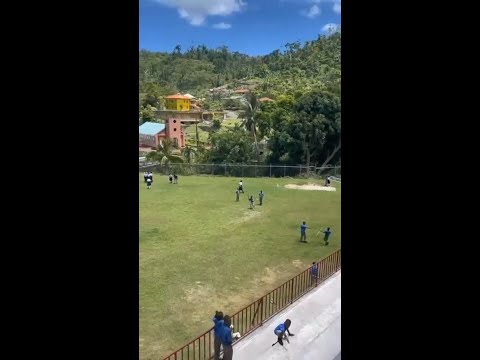
Photo: Peace Corps (Public domain)
Job description
Volunteers move into a host community, learn the local language and customs, and work on an assigned project such as teaching, public health, agriculture, or small business development. Because projects run on local timelines rather than a fixed schedule, the role demands real patience and adaptability, especially in rural postings with limited running water, electricity, or modern infrastructure. Many volunteers use the experience as a launchpad into international development or foreign service careers afterward.
Pros
- Full cultural immersion and language learning most careers never offer
- Direct, community-requested project work with real on-the-ground impact
- Strong launchpad into international development or foreign service careers
Cons
- Living stipend only, capped around $15k, not a real salary
- Basic living conditions with limited running water, electricity, or infrastructure
- Two-year commitment largely on your own, far from familiar support systems
A typical day
The day starts with the walk to school alongside neighborhood kids, because in a small host community the volunteer's commute is a social institution. The morning is co-teaching English with a local counterpart teacher — the Peace Corps model is capacity-building, not replacement, so the win is the counterpart's growing confidence, not the volunteer's solo performance. Lunch is with the host family, in the local language that took six months to stop being exhausting. The afternoon shifts to the secondary project: the girls' club grant application reviewed with two student leaders, and a water-committee meeting where the volunteer mostly listens, having learned that the community's own priorities are the only ones that outlast a volunteer's service. Evening brings lesson planning by lamplight, a journal entry, and a call home when the signal cooperates. Two years of this recalibrates a life — which is roughly the point.
Tasks at the job
- Live and work within a host community for roughly two years, focusing on an assigned sector such as education, health, or agriculture.
- Teach skills, run workshops, or support local projects requested by the host community.
- Learn the local language and customs to build trust and work effectively with community members.
- Collaborate with local counterparts and organizations to design sustainable, community-led projects.
- Report progress and challenges to Peace Corps staff throughout the service term.
- Adapt planned projects based on community needs, resources, and unforeseen setbacks.
Workplace & working conditions
Volunteers live directly within their host community, often in a rural setting with limited running water, electricity, or modern infrastructure, immersed daily in a different language and culture.
The role demands significant personal adaptability and patience, since projects unfold on local timelines rather than a fixed schedule, and volunteers are largely on their own to problem-solve far from familiar support systems.
Education necessary or common
Bachelor's degree typically required; a modest living stipend is provided rather than a salary, plus a readjustment allowance at the end of service
Common college majors
Related fields
Courses to take
- World Language — language aptitude is the service's daily currency
- AP Human Geography — culture, development, and global systems
- AP English Language and Composition — grant writing and reporting
- Health — many assignments center on community health
- AP Environmental Science — agriculture and water projects draw on it
Clubs, activities & competitions
- Sustained volunteering with one organization — commitment over variety
- Model UN — global issues fluency
- Tutoring or teaching roles — most assignments involve teaching something
- Exchange programs or hosting international students
First steps you can take now
- Commit to one local volunteer role for a full year — Peace Corps selection rewards demonstrated persistence, not sampler platters
- Start a language now and keep it through college
- Read volunteer blogs from three different countries to see the service's honest range
- Note the timeline: application happens in college, service after graduation — high school is for building the foundation