Photo: Shixart1985 (CC BY 2.0)
Job description
Much of the work is client-facing: discussing a product or campaign goal with a client, drafting copy or scripts, and revising language and tone to fit the intended audience and medium. Writers often collaborate with an agency's creative and art directors to build a unified campaign, and staying current on marketing trends and consumer research shapes what gets pitched. Many freelance across several clients at once, while others specialize into one track, such as advertising copywriting, corporate communications, or speechwriting, working mostly at a desk under real deadline pressure.
Pros
- Faster than average projected job growth (3.6%) as demand for content across media keeps expanding
- Creative autonomy in shaping language, tone, and messaging across varied projects and clients
- Pay can reach nearly $140k at the top of the range for established writers
Cons
- Above-average hours, often exceeding 40 hours to meet client deadlines
- Fast-paced work with frequent quick decisions and revisions under client pressure
- Freelance or client-based writers face inconsistent income and frequent rejection of drafts
A typical day
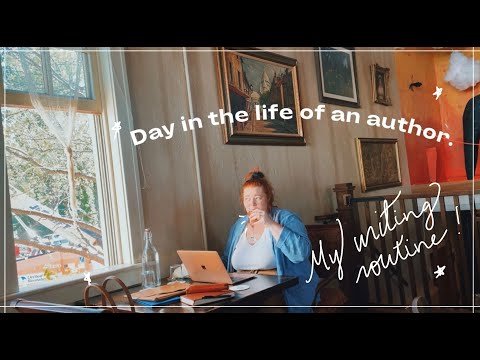
The morning writing block is protected like a meeting with a client, because it is one: two hours on the book manuscript before email exists. Midday shifts to the paying work in progress -- a magazine feature draft due Thursday, an interview transcribed and the structure finally cracking open on the third outline attempt. The afternoon holds the business half nobody romanticizes: a pitch email to an editor, an invoice chased, a contract's rights clause read carefully before signing. The evening might add a revision pass on a short story, cutting 300 words that were dear and wrong.
Tasks at the job
- Develop advertising campaigns for a wide range of clients, working with an advertising agency's creative director and art director to determine the best way to present advertising information.
- Vary language and tone of messages based on product and medium.
- Present drafts and ideas to clients.
- Discuss with the client the product, advertising themes and methods, and any changes that should be made in advertising copy.
- Review advertising trends, consumer surveys, and other data regarding marketing of goods and services to determine the best way to promote products.
- Write articles, bulletins, sales letters, speeches, and other related informative, marketing and promotional material.
Workplace & working conditions
Most of the day is spent sitting at a desk. Noise levels can be distracting or uncomfortable.
The pace is often fast, with real time pressure to meet deadlines, and decisions come up constantly and often need to be made quickly. You'll regularly deal with frustrated or upset people as part of the job.
Education necessary or common
Bachelor's degree
Common college majors
Career path
Related fields
Courses to take
- AP English Literature and AP English Language -- both, without question
- Creative writing electives -- workshop practice
- Journalism -- deadlines and editors build professional writers
- AP Psychology -- character and motivation
- A deep elective in anything -- writers need subject matter
Clubs, activities & competitions
- School newspaper or literary magazine -- publish constantly
- Writing competitions (Scholastic Art & Writing Awards)
- NaNoWriMo -- finish a draft, learn what finishing costs
- Start a blog or newsletter with a real schedule
First steps you can take now
- Write 300 words daily for 30 days -- consistency is the entire secret
- Submit one piece to a contest or publication this month
- Read one book on craft (Bird by Bird, On Writing) and apply one lesson
- Join or start a writing group that exchanges honest critique