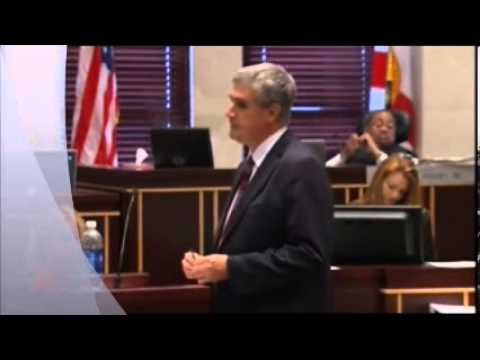
Photo: Xnatedawgx (CC BY-SA 4.0)
Job description
Beyond personally trying the most significant cases, much of the job is managerial: setting charging and plea-bargain policy for the whole office, supervising a team of assistant prosecutors, and making budget and staffing calls that shape how cases get handled office-wide. It also carries a civic dimension most legal jobs don't: in most jurisdictions the DA is elected, which means answering publicly, often through the media, for decisions about how crime gets prosecuted in the county. The pace escalates sharply once a case goes to trial, but day to day the role splits between courtroom work and office management. It typically requires a law degree, bar admission, and years of experience as a prosecutor before reaching the position.
Pros
- High upside earning potential, up to $200k, among the higher-paying legal leadership roles
- Direct authority to set prosecutorial policy and priorities for an entire office
- Substantial public visibility and civic influence as an elected official in most jurisdictions
Cons
- Long, demanding hours are common, especially as trials approach
- Constant public and media scrutiny over highly consequential charging and plea decisions
- Exceptionally high stakes, since decisions directly affect people's liberty and lives
A typical day
The charging conference at 8:30 is where the office's power actually lives: three case files from the weekend — the assault with shaky witness identification gets declined with a memo, the repeat domestic violence case gets charged fully, and the borderline juvenile case gets routed to diversion, each decision setting precedent for how the office treats the next hundred like it. Courtroom time follows: the DA personally argues the motion in the county's highest-profile murder case, while a hallway conversation with a defense attorney settles a mid-level case at a plea both sides can live with. The afternoon is the leadership half — supervising assistant prosecutors' case strategies, a policy meeting on the new diversion program's numbers, and a community forum where residents want answers about crime downtown. Elected in most counties, the DA answers to voters; the tension between justice and politics is permanent, and managing it honestly is the job.
Tasks at the job
- Review criminal case evidence and decide what charges to file.
- Present evidence and argue cases before judges and juries.
- Negotiate plea agreements with defense counsel.
- Supervise assistant prosecutors and support staff.
- Meet with victims, witnesses, and law enforcement to build cases.
- Set office policy and oversee budget and staffing decisions.
Workplace & working conditions
Work splits between a courtroom and an office setting, with substantial public visibility given the role's civic responsibilities.
The stakes are exceptionally high, since decisions directly affect people's liberty and lives. The pace intensifies sharply during trials, and the role carries constant public and media scrutiny alongside strict legal procedure.
Education necessary or common
Juris Doctor (JD) plus bar admission, usually after several years as a prosecutor
Common college majors
Licenses & certifications
- Juris Doctor (JD)
- State bar admission
Career path
Related fields
Courses to take
- AP U.S. Government — prosecution is public power under constitutional limits
- AP English Language — argument on paper and on your feet
- Debate/Public Speaking — the courtroom is oral advocacy
- AP Psychology — juries, witnesses, and victims
- AP Statistics — crime data drives office policy
Clubs, activities & competitions
- Mock Trial — take the prosecution side deliberately
- Debate team
- Student government — the elected-official half of the job
- Youth court programs where your county offers them
- Model Congress
First steps you can take now
- Watch a criminal trial at your county courthouse — prosecution table specifically
- Interview a prosecutor about how charging decisions actually get made
- Join mock trial and learn the rules of evidence
- Read about one DA's office reform debate to see the policy side