Photo: Airman 1st Class Jordyn Fetter, U.S. Air Force (Public domain)
Job description
The job runs on interruptions: tickets and calls arrive unpredictably, and specialists diagnose hardware and software problems, walk frustrated users through fixes over phone, chat, or in person, and set up new accounts and equipment for incoming employees. Documenting recurring issues in a shared knowledge base helps the next specialist solve the same problem faster, and anything beyond a specialist's depth gets escalated to more specialized IT or vendor teams. Because callers are often stressed about a problem blocking their work, quick and methodical troubleshooting under a bit of pressure is central to doing the job well, and it's a common entry point into broader IT careers.
Pros
- Common, accessible entry point into broader IT and systems administration careers
- Standard, predictable hours (40-45/week) compared to many tech roles
- Achievable through certifications or on-the-job learning, no degree strictly required
Cons
- Interruption-driven work, with tickets arriving unpredictably throughout the day
- Regularly deals with frustrated or stressed users needing quick problem resolution
- Entry-level pay (starting near $40k) is modest relative to other tech career paths
A typical day
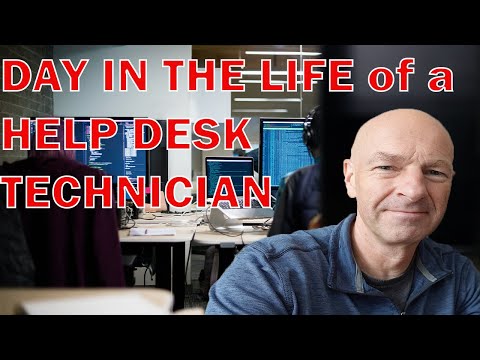
The ticket queue is the day's terrain: first up, an executive locked out before an 8:30 board call — resolved in four minutes with practiced calm, which is half the job's skill. Mid-morning mixes remote fixes and desk visits: a printer that four people swear is possessed (a driver conflict), a new hire's laptop imaged and configured, a VPN issue walked through patiently with someone who calls the browser 'the internet.' After lunch the specialist escalates a genuinely weird network drop to tier two, documents the workaround, and updates the knowledge base article so the next tech solves it in five minutes instead of fifty. There's project time too — testing a Windows update batch before deployment. The day ends at inbox zero on urgent tickets, which lasts until 8:01 tomorrow.
Tasks at the job
- Respond to help desk tickets and diagnose hardware or software problems.
- Walk users through troubleshooting steps over phone, chat, or in person.
- Install, configure, and update computers, peripherals, and network equipment.
- Reset accounts, manage permissions, and maintain user credentials.
- Document recurring issues and their fixes for the internal knowledge base.
- Escalate complex problems to specialized IT or vendor support teams.
Workplace & working conditions
Work happens indoors, split between a help desk workstation and moving around the building to fix equipment on-site.
The work is interruption-driven rather than steady, with tickets arriving unpredictably and users often frustrated when they reach out. You'll regularly deal with people under stress about a problem blocking their work, and quick, methodical troubleshooting is essential.
Education necessary or common
Associate's or bachelor's degree in a technical field, or relevant certifications; many enter with just a high school diploma and build skills on the job
Common college majors
Licenses & certifications
- CompTIA A+ — the standard first credential
- CompTIA Network+ — the natural second
- Microsoft or Google IT certificates (Google's is free-ish online and respected for entry roles)
- ITIL Foundation (later, for process maturity)
Career path
Related fields
Courses to take
- Computer Applications and any IT/networking electives — the direct toolkit
- AP Computer Science Principles — foundational literacy
- Business or Office Technology — the environments you'll support
- AP English Language — clear ticket notes and patient explanations
- Public Speaking — half the job is talking humans through stress
Clubs, activities & competitions
- CyberPatriot or computer club — hands-on systems experience
- School tech crew or student help desk — some schools let students do real IT support
- Build and repair PCs as a hobby — the classic entry path
- FIRST Robotics — troubleshooting under pressure
First steps you can take now
- Become your family's official tech support and document every fix like a ticket
- Build or refurbish a PC from parts
- Study for CompTIA A+ — high schoolers pass it regularly, and it's the field's entry credential
- Ask your school's IT staff if they take student volunteers or aides