Photo: Russell Lee (Public domain)
Job description
Pastors write and deliver sermons, counsel congregants through grief, conflict, or major life transitions, and officiate weddings, funerals, and baptisms. Beyond the pulpit, they also run the practical side of a congregation: staff, budget, and community programs. Pay varies enormously by denomination and congregation size, and many pastors at smaller churches work bivocationally, holding a second job alongside ministry.
Pros
- Largely self-directed weekly schedule outside of services and emergencies
- Deep, meaningful community role guiding people through major life events
- Pay can reach $100k, though it varies widely by congregation size
Cons
- On call for emergencies at unpredictable hours, including nights and weekends
- Heavy emotional demands from regularly supporting people through grief and crisis
- Many smaller-church pastors must work a second job to make ends meet
A typical day
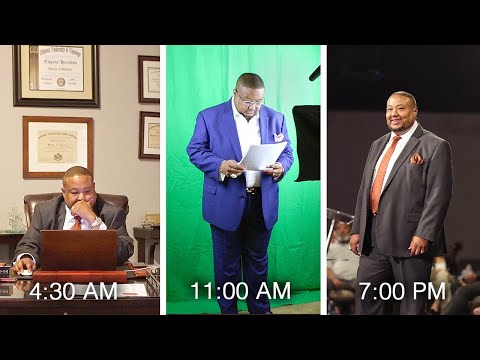
Sermon preparation owns the morning — Tuesday's three quiet hours in the text, commentaries open, writing toward Sunday with the congregation's actual lives in mind, because the same passage preaches differently to a room holding a new widow and a new baby. Midday breaks the study: a hospital visit across town where the pastor sits with a family in a pre-surgery waiting room, prayer offered, presence mattering more than words. The afternoon is the parish's hidden logistics — a staff meeting on the fall calendar, a budget question from the trustees, a wedding couple's second counseling session, and a text from a member in crisis answered with a call that runs long because it should. Evening brings the youth group's volunteer dinner. The workweek peaks on Sunday but never really ends; shepherding is a life more than a schedule, which is both the burden and the point.
Tasks at the job
- Prepare and deliver sermons and lead worship services for a congregation.
- Provide pastoral counseling to individuals or families during personal crises, grief, or conflict.
- Visit hospitalized, homebound, or elderly congregation members to offer spiritual support.
- Officiate weddings, funerals, baptisms, and other religious ceremonies.
- Oversee congregation administration, including staff, budget, and community programs.
Workplace & working conditions
Work is centered in a church building for services and meetings but frequently extends to hospitals, homes, and community settings for pastoral visits.
The role carries heavy emotional demands, regularly supporting people through grief, illness, and crisis, and requires being on call for emergencies at unpredictable hours. Public-facing responsibilities like preaching require composure and preparation, balanced against a largely self-directed weekly schedule.
Education necessary or common
A bachelor's degree plus a Master of Divinity is standard for most denominations, though requirements vary widely by tradition
Common college majors
Licenses & certifications
- Ordination through your denomination (the governing credential)
Career path
Related fields
Courses to take
- AP English Literature — deep reading of texts is the scholarly half of preaching
- AP English Language and Composition — a sermon is craftsmanship in words
- AP Psychology — pastoral care runs on understanding people
- World History — religious traditions in context
- Speech or Drama — public proclamation is a practiced skill
Clubs, activities & competitions
- Youth group leadership — teach, plan, and serve within your tradition
- Volunteer consistently: food pantry, nursing home visits, service trips
- Speech and Debate — thinking and speaking with an audience
- Peer mentoring — shepherding in miniature
First steps you can take now
- Ask your own pastor to walk you through their actual week — the visible hour on Sunday hides forty others
- Teach or help lead something in your congregation this month
- Read one spiritual classic from your tradition and journal what it stirs
- Explore your denomination's ordination path — most run through college and a Master of Divinity