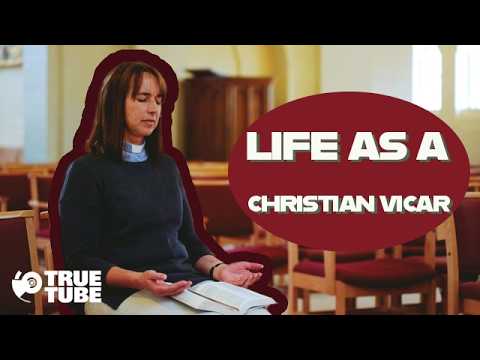
Photo: Bill Hamway billhamway (CC0)
Job description
Preparing and delivering sermons or talks, administering religious rites, and preparing people for participation in those ceremonies fills much of a typical week. Clergy also plan or lead religious education programs and share their faith's teachings more broadly, whether through writing, speeches, or classroom instruction. It's structured, deadline-driven work (services and holy days don't move) that regularly involves supporting people through personal crisis or grief. Requirements vary widely by faith tradition, but many paths require a Master of Divinity or an equivalent seminary degree, and pay typically falls between about $38,000 and $99,000.
Pros
- Pay can reach nearly $99k at the top of the range, well above entry level in the field
- Deep, direct role guiding and supporting a community through significant life moments
- Substantial independent judgment in shaping sermons, teaching, and ceremonies day to day
Cons
- Slower than average projected job growth, about 1% over the next decade
- Above-average hours, expect more than a standard 40-hour work week
- Regularly deals with frustrated or upset people navigating difficult personal circumstances
A typical day
Sunday is the visible tenth of the job: leading worship, delivering the sermon that took most of Thursday to write, greeting congregants afterward and hearing, in passing, about a surgery or a job loss that becomes next week's hospital visit. Weekdays are pastoral care and administration in alternating layers — a funeral to plan with a grieving family, premarital counseling at 4pm, a budget meeting with the lay board at 7. Study time gets guarded fiercely: sermon preparation, teaching materials for the youth confirmation class, an article for the newsletter. The phone can ring at 2am with a death or a crisis, and answering it is the job.
Tasks at the job
- Pray and promote spirituality.
- Prepare and deliver sermons or other talks.
- Share information about religious issues by writing articles, giving speeches, or teaching.
- Administer religious rites or ordinances.
- Prepare people for participation in religious ceremonies.
- Plan or lead religious education programs.
Workplace & working conditions
Work happens indoors in a climate-controlled setting, and most of the day is spent sitting at a desk.
There's a regular, moderate amount of time pressure, and you're expected to exercise significant independent judgment day to day. The work is highly structured, following set procedures. You'll regularly deal with frustrated or upset people as part of the job.
Education necessary or common
Requirements vary by faith tradition; many require a Master of Divinity or equivalent seminary degree
Common college majors
Licenses & certifications
- Master of Divinity (MDiv) for many traditions
- Ordination through your denomination's process
- Clinical Pastoral Education (CPE) units for chaplaincy work
Career path
Related fields
Courses to take
- English/AP English Literature — preaching and teaching are built on close reading and clear writing
- Public Speaking/Debate — you will speak publicly every single week
- World History and AP World Religions electives — context for your own tradition and others
- Psychology — pastoral counseling draws on it constantly
- A world language — Hebrew, Greek, or the language of a community you may serve
Clubs, activities & competitions
- Youth group leadership in your faith community
- Volunteer service — hospital visitation programs, food pantries, mission trips
- Debate or speech team
- Peer counseling or mentoring programs
- Choir or worship music team
First steps you can take now
- Ask your clergy member what their actual week looks like — not just Sunday
- Lead something small in your faith community this month: a youth discussion, a service project
- Read the foundational texts of your tradition with a study guide, not just devotionally
- Volunteer with the pastoral care side of your congregation — visit shut-ins with an adult team