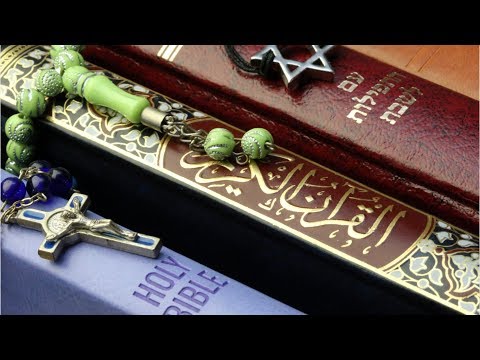
Photo: Joel Martinez (Public domain)
Job description
The job combines curriculum planning with pastoral care: choosing or building out study courses and class structures for a congregation, then organizing the camps, retreats, and seminars that bring those lessons to life outside a classroom setting. Directors also train and supervise the volunteers or staff who teach these programs, and work alongside other ministry leaders to set goals for participation and growth. Beyond the education side, many are also a go-to person for counseling congregants through interpersonal, financial, or health struggles, since religious education roles often blend into broader pastoral responsibilities. It typically requires a bachelor's degree and offers a fairly wide pay range depending on the size and denomination of the congregation.
Pros
- Standard, predictable hours (30-40 per week) in a climate-controlled setting, no shift work
- Meaningful, people-centered work blending teaching, counseling, and program leadership
- A sizable field (13,800 projected jobs) with steady, faster-than-average growth (2.1%)
Cons
- Pay tops out around $98k but starts much lower, with wide variation by denomination and congregation size
- Counseling responsibilities around personal, financial, and religious struggles can carry real emotional weight
- Requires a bachelor's degree and alignment with a specific faith community's doctrine, narrowing the job market
A typical day
Sunday school is the visible product, but Tuesday is where it's built: the morning goes to curriculum review — evaluating a new middle-school series against the congregation's theology and the actual attention spans in that classroom — followed by volunteer coordination, because the program runs on recruited, trained, background-checked lay teachers who need materials by Thursday. The afternoon holds a planning meeting for the summer camp (buses, permission forms, a speaker to book) and a quiet counseling conversation with a parent worried about her son's crisis of faith, handled with care and a referral where it's beyond scope. Evening committee meetings come with the territory. The role is education director, event producer, volunteer manager, and pastoral presence in one — powered by the conviction that formation matters.
Tasks at the job
- Develop or direct study courses or religious education programs within congregations.
- Select appropriate curricula or class structures for educational programs.
- Schedule special events, such as camps, conferences, meetings, seminars, or retreats.
- Counsel individuals regarding interpersonal, health, financial, or religious problems.
- Collaborate with other ministry members to establish goals and objectives for religious education programs or to develop ways to encourage program participation.
- Train and supervise religious education instructional staff.
Workplace & working conditions
Work happens indoors in a climate-controlled setting.
You're expected to exercise significant independent judgment day to day. The work is highly structured, following set procedures.
Education necessary or common
Bachelor's degree
Common college majors
Licenses & certifications
- Denominational certification in religious education (varies by tradition)
- Child safety/safeguarding training (standard requirement)
Career path
Related fields
Courses to take
- Psychology — teaching and counseling both draw on it
- English — curriculum writing and communication
- Public Speaking — teaching and announcements
- World Religions or History electives — depth in your own tradition and literacy in others
- Child Development if offered
Clubs, activities & competitions
- Youth group leadership — plan events, teach younger students
- Volunteer teaching: Sunday school aide, vacation programs, camps
- Peer mentoring programs
- Service project leadership
First steps you can take now
- Volunteer to help teach a children's class in your faith community this month
- Plan one complete youth event: program, logistics, follow-up
- Ask your congregation's education director what their week actually holds
- Read one book on how children learn faith concepts at different ages